







What's Happening?
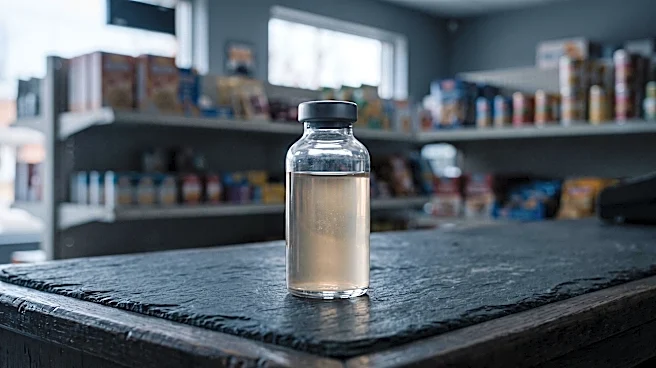
An investigation by CBS, following a similar analysis by Wired, has revealed that "research-grade peptides" sold in convenience stores across the U.S., specifically a knockoff of Eli Lilly's yet-to-be-released weight loss drug retatrutide purchased from
a Brooklyn bodega, contain dangerous impurities. Chemical analysis conducted by Jason Galpin, a researcher of bioorganic chemistry at the University of Iowa, found that the vials labeled "retatrutide" did not contain any peptide-like substances. Instead, they were filled with phenylacetic acid, a filler compound used in perfume and illicit amphetamine manufacturing. Worse, the vials also contained at least 13 different bacterial colonies, which Carl Ross, director of development at the University of Iowa’s Center for Biocatalysis and Bioprocessing, warned could easily cause dangerous infections if injected.
Why It's Important?
The widespread availability and dangerous composition of these gray market peptides pose a significant public health risk. Consumers, seeking accessible and often cheaper alternatives to prescription medications, are unknowingly injecting substances that are not only ineffective but also potentially life-threatening due to bacterial contamination and unknown chemical components. This issue highlights a critical gap in regulatory oversight for substances sold outside traditional pharmaceutical channels, particularly those marketed as "research-grade" to bypass regulations. The presence of phenylacetic acid and multiple bacterial colonies underscores the severe lack of quality control and the potential for serious health complications, including severe infections and adverse reactions to unidentifiable chemicals. This situation could lead to an increase in emergency room visits and long-term health problems for those who use these products.
What's Next?
The findings from these investigations are likely to intensify calls for increased regulatory action against the sale of unapproved and potentially harmful substances in convenience stores and other informal retail outlets. Public health authorities may issue warnings to consumers about the dangers of purchasing such products from unregulated sources. Law enforcement agencies might also investigate the supply chains of these gray market peptides to identify and prosecute manufacturers and distributors. Consumers are strongly advised to avoid purchasing any injectable substances from non-pharmaceutical sources. The pharmaceutical industry, particularly companies like Eli Lilly developing legitimate weight loss drugs, may also face challenges in combating the proliferation of counterfeit products that could tarnish their brand reputation and confuse consumers.
Beyond the Headlines
This issue delves into the broader societal implications of a growing demand for quick-fix solutions for health and wellness, particularly weight loss. The allure of easily accessible, seemingly affordable alternatives to expensive prescription drugs creates a fertile ground for illicit markets. The lack of consumer awareness regarding the risks associated with unregulated substances, coupled with the deceptive marketing tactics of sellers, creates a dangerous environment. This situation also raises ethical questions about the responsibility of retailers who stock such products and the need for more robust public education campaigns on the dangers of gray market pharmaceuticals. The long-term consequences could include a rise in antibiotic-resistant infections due to widespread bacterial exposure and a general erosion of trust in health products, making it harder for legitimate treatments to gain acceptance.