



What's Happening?
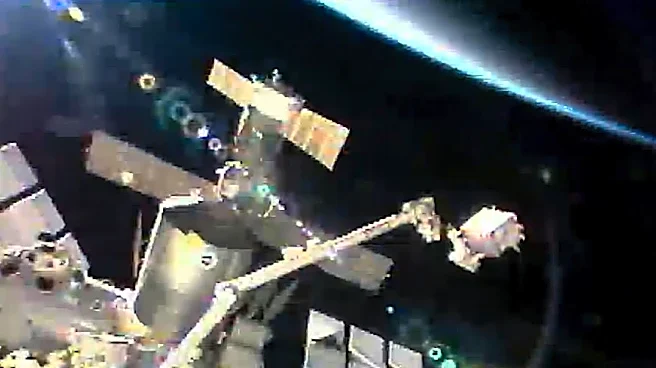
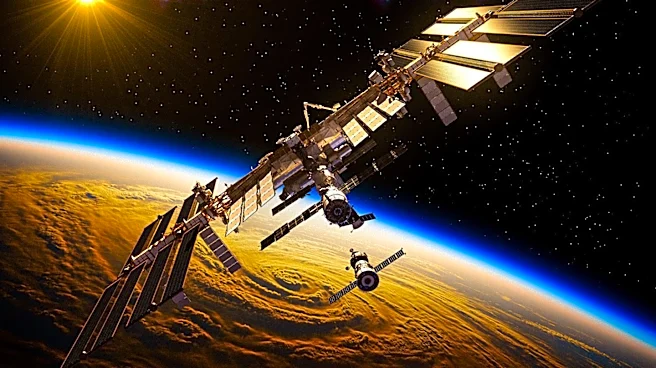
NASA is actively preparing for two significant cargo missions involving the International Space Station (ISS) in late November 2026. A SpaceX Dragon spacecraft is scheduled to depart the ISS on November 20, returning critical scientific samples and equipment
to Earth. This includes 3D bioprinted blood vessels, antibiotic-resistant bacteria, a circadian lighting system, and a spacesuit, all destined for retrieval and analysis after splashing down in the Pacific Ocean. Concurrently, NASA and Northrop Grumman are targeting November 29 for the launch of a Cygnus XL spacecraft. This mission will deliver approximately 11,000 pounds of new science investigations, supplies, and equipment to the Expedition 75 crew aboard the ISS. The crew has been engaged in various research activities, including exercise studies, space physics investigations, and extensive spacesuit maintenance, in anticipation of these cargo operations. Astronauts Jessica Watkins and Luke Delaney conducted strength training for the Standard Measures study, while Anil Menon and Joshua Kutryk performed detailed spacesuit cleaning and component checks.
Why It's Important?
These upcoming cargo missions are crucial for advancing scientific research and maintaining the operational capabilities of the International Space Station. The return of samples via the Dragon spacecraft allows scientists on Earth to analyze the effects of microgravity on biological systems, such as blood vessels and bacteria, which can lead to breakthroughs in medicine and biotechnology. The data from the circadian lighting system and spacesuit analysis will also inform future long-duration space missions, enhancing astronaut health and safety. The inbound Cygnus XL mission ensures the continuous supply of essential resources and new experimental payloads, enabling ongoing research in diverse fields from materials science to human physiology. These missions underscore the collaborative efforts between government agencies and private aerospace companies, demonstrating the complex logistics and critical support required to sustain human presence in low-Earth orbit and further space exploration goals.
What's Next?
Following the scheduled departure of the SpaceX Dragon spacecraft on November 20, its contents will be retrieved and distributed to researchers for analysis, with initial findings expected in the subsequent weeks and months. The launch of the Cygnus XL spacecraft on November 29 will be closely monitored, with its successful docking at the ISS being the next critical step. Once docked, the Expedition 75 crew will begin unloading the 11,000 pounds of cargo, integrating new scientific experiments into the station's research schedule. The ongoing research, including cognitive ability tests and inspections of advanced exercise devices, will continue to provide data on the long-term effects of microgravity on astronauts. Future mission planning will likely incorporate lessons learned from these cargo operations and the scientific results obtained from the returned samples, influencing the design of future spacecraft and research priorities.
Beyond the Headlines
The continuous cycle of cargo delivery and return to the ISS highlights the intricate logistical challenges and technological advancements required for sustained human spaceflight. The 3D bioprinted blood vessels returning to Earth represent a significant step in regenerative medicine, potentially leading to new treatments for various diseases and even organ printing capabilities in space or on Earth. The study of antibiotic-resistant bacteria in microgravity could offer novel insights into microbial behavior and resistance mechanisms, impacting public health strategies. Furthermore, the routine maintenance of spacesuits and advanced exercise equipment underscores the critical importance of astronaut well-being and operational readiness for potential spacewalks and future deep-space missions. These missions are not just about delivering supplies; they are integral to expanding humanity's scientific knowledge, pushing the boundaries of technology, and preparing for future endeavors beyond low-Earth orbit, including lunar and Martian explorations.