





What's Happening?
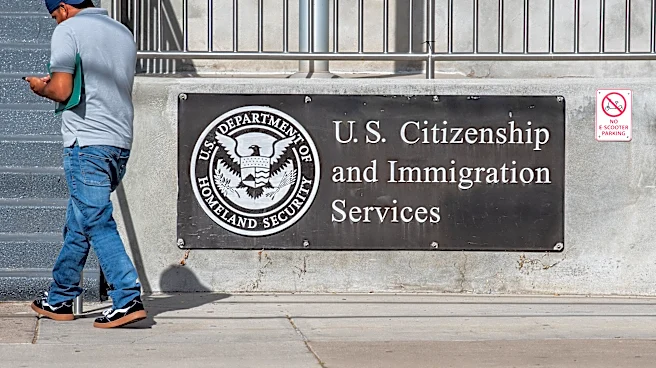
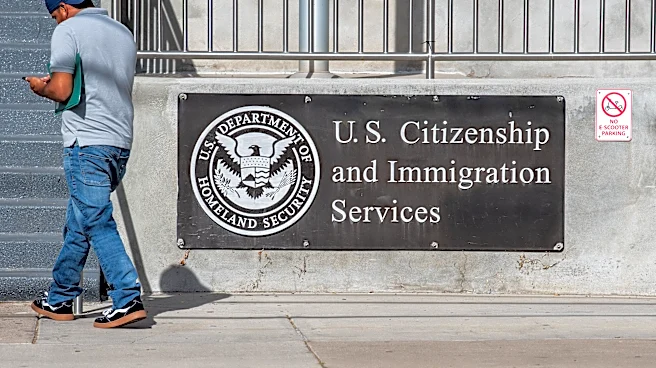
Individuals facing deportation in the U.S. must navigate a complex legal system with specific rights, defenses, and deadlines. Deportation, legally termed 'removal,' involves a court process where an immigration judge determines whether a noncitizen can
be removed from the country. The government initiates these proceedings by filing a Notice to Appear (NTA), outlining the alleged facts and legal grounds for removal. Key defenses include challenging the government's charges, applying for relief such as asylum or cancellation of removal, and protecting one's rights if detained. Asylum protects individuals fearing persecution based on race, religion, nationality, political opinion, or social group, typically requiring filing within one year of arrival. Cancellation of removal allows some long-term residents to avoid deportation and potentially obtain a green card, with specific requirements regarding continuous presence, good moral character, and hardship to U.S. citizen or permanent resident family members. Legal representation is crucial, as immigration courts do not appoint free attorneys, unlike criminal courts.
Why It's Important?
The intricacies of deportation defense highlight the significant legal and personal stakes involved for noncitizens in the U.S. The absence of government-provided legal counsel means that access to justice can be uneven, with outcomes often depending on an individual's ability to secure legal representation. The strict deadlines, such as the one-year filing limit for asylum and the 30-day window for appeals, underscore the critical importance of timely action and expert guidance. Recent changes, including USCIS initiating more removal cases, stricter bond eligibility, and expanded expedited removal procedures, have made the process even more challenging. These developments can lead to increased detentions and removals, particularly for those who entered without inspection or cannot prove long-term residency. Understanding these legal pathways and their stringent requirements is vital for anyone facing removal proceedings, as a wrong step can have life-altering consequences.
What's Next?
Individuals receiving a Notice to Appear are advised to immediately consult an immigration lawyer, as early intervention is crucial for building a strong defense. They must carefully review the NTA, confirm hearing dates, update their address with the immigration court, and gather all relevant documents, including passports, entry records, and any immigration or criminal court records. It is strongly recommended not to sign any documents from ICE without legal counsel. The ongoing evolution of immigration enforcement policies, including federal court challenges to recent rulings on bond eligibility and expedited removal, means that the legal landscape remains dynamic. Staying informed about these changes and adhering to all procedural requirements will be paramount for those in removal proceedings. The emphasis on legal representation will likely continue, underscoring the need for increased access to affordable legal services for noncitizens.
Beyond the Headlines
The complexities of deportation defense extend beyond legal technicalities, touching upon fundamental questions of human rights, due process, and the social fabric of the U.S. The system's design, which places the burden of legal costs on the individual, can disproportionately affect vulnerable populations. The emotional and practical toll of removal proceedings, including the potential separation of families and the disruption of established lives, is immense. The various forms of relief, such as asylum and cancellation of removal, reflect a societal recognition of humanitarian concerns and the value of long-term residents. However, the strict criteria and limited availability of some reliefs, like the 4,000 annual cap on non-resident cancellations, highlight the tension between compassionate policies and enforcement priorities. The ongoing debates surrounding immigration reform often revolve around these very issues, seeking to balance national interests with the rights and well-being of individuals within the U.S. borders.