




What's Happening?
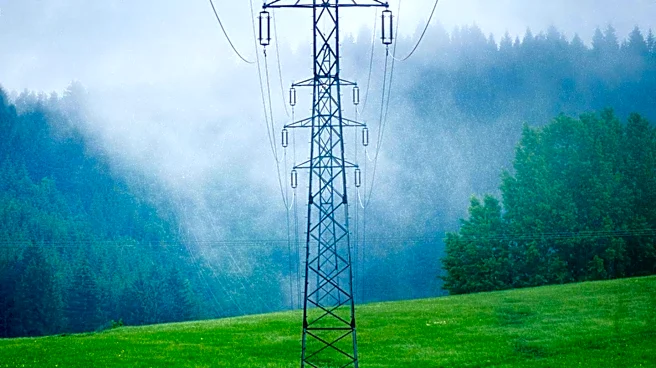
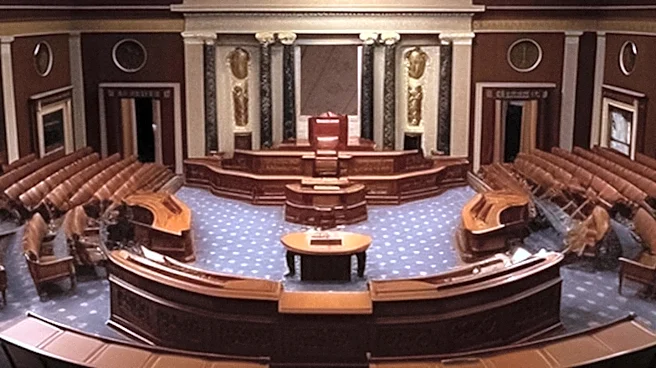
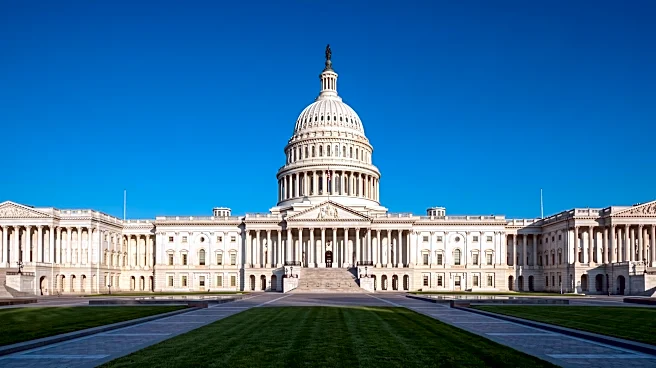
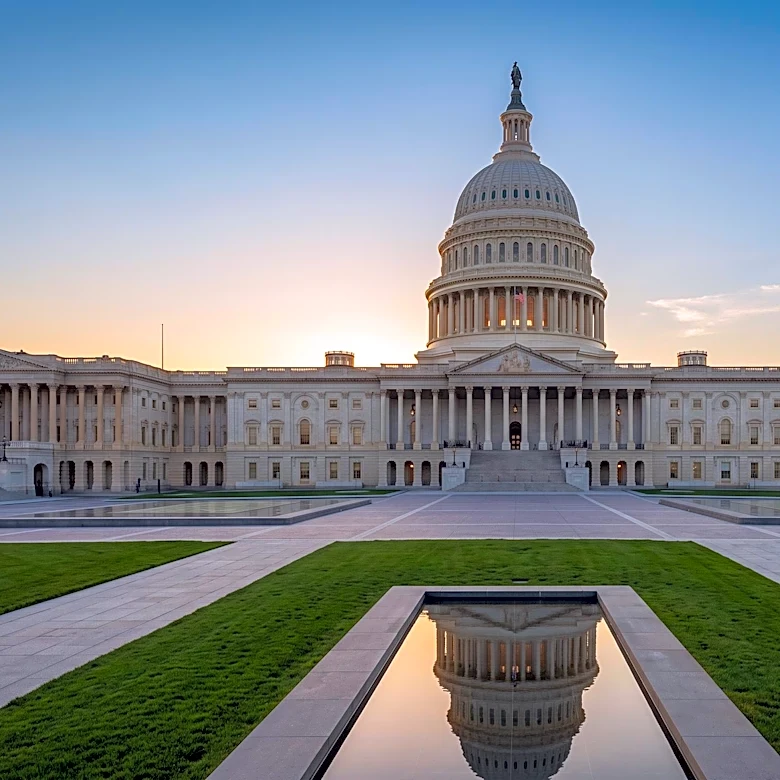
Senator Martin Heinrich (D-N.M.) blocked a bill in the Senate that aimed to prevent artificial intelligence (AI) and tech companies from shifting the costs of power grid infrastructure upgrades onto taxpayers. The bill, which had previously passed the House
with a significant majority (417 to 3), sought to address the growing concern over booming electricity costs associated with the energy demands of data centers. Senator Heinrich argued against federal intervention, emphasizing the importance of local decision-making regarding the construction and impact of data centers. This move comes amidst increasing public anxiety over the environmental and economic impact of data centers, particularly their massive consumption of power and water, which has become a notable issue in upcoming midterm elections.
Why It's Important?
This legislative roadblock highlights a significant debate within U.S. politics regarding the regulation of the rapidly expanding AI and tech industries, particularly concerning their infrastructure demands. The bill's intent was to protect taxpayers from potentially bearing the financial burden of power grid upgrades necessitated by data centers. Senator Heinrich's opposition underscores a philosophical divide on the role of federal versus local governance in managing such issues. While some lawmakers advocate for federal legislation with 'real teeth' to set 'rules of the road' for these industries, others, like Heinrich, believe that decisions about data center development and associated costs should primarily rest with local communities. This divergence could impact how future energy infrastructure projects are funded and regulated, potentially affecting utility rates and local economic development across the nation.
What's Next?
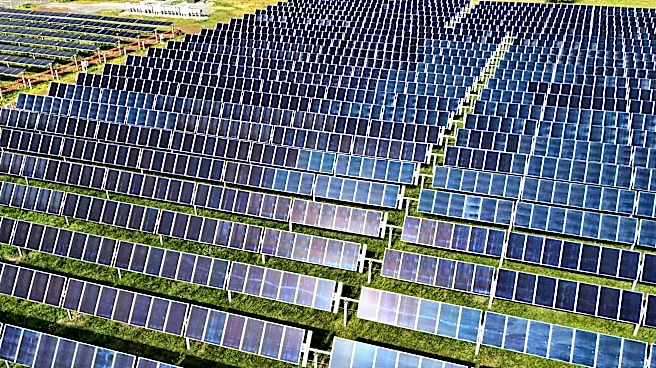
The blocking of this bill means that, for now, there will be no federal legislation preventing AI and tech companies from potentially passing power grid upgrade costs to taxpayers. The issue of data center impact, including electricity and water consumption, is expected to remain a prominent concern, especially as midterm elections approach. Republican lawmakers, aware of voter dissatisfaction with data centers, are likely to continue advocating for solutions, though many prefer local rather than federal oversight. Discussions around permitting reform for energy projects, including those related to renewable energy, are ongoing in the Senate, with Senator Heinrich also involved in these bipartisan negotiations. The long-term implications for how the U.S. manages the energy demands of its burgeoning tech sector will depend on future legislative efforts and the outcomes of local and state-level decisions.
Beyond the Headlines
The debate surrounding the funding of power grid upgrades for AI and tech companies touches upon broader themes of corporate responsibility, environmental sustainability, and the balance of power between federal and local governments. The rapid growth of AI and data centers presents a new challenge for existing infrastructure and regulatory frameworks. The question of who should bear the costs of these necessary upgrades—taxpayers, consumers, or the corporations directly benefiting from the technology—is a complex one with significant economic and ethical dimensions. This issue also highlights the tension between fostering technological innovation and mitigating its potential negative externalities, such as increased energy consumption and environmental strain. The outcome of these discussions could set precedents for how emerging technologies are integrated into national infrastructure and how their societal impacts are managed.