
What's Happening?
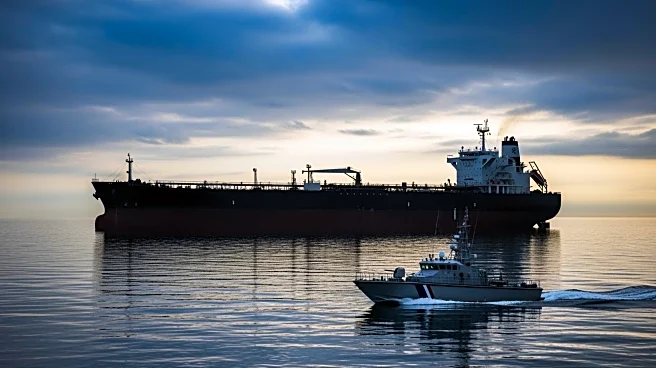
In early January 2026, U.S. and UK forces seized a Russian-flagged tanker in the North Atlantic, marking a significant enforcement action in maritime trade. This seizure is part of a broader crackdown
on vessels suspected of violating international sanctions. Finland and Sweden also detained vessels in separate incidents, highlighting a coordinated effort across jurisdictions. The enforcement actions underscore a shift from warnings to active sanctions enforcement, with nearly 600 vessels now on EU sanctions lists, a significant increase from the previous year. The U.S. Office of Foreign Assets Control (OFAC) and other international bodies are intensifying their scrutiny of maritime activities, particularly focusing on ship-to-ship transfers and complex ownership structures that obscure the origins of cargo.
Why It's Important?
The increased enforcement of maritime sanctions has significant implications for global trade, particularly for companies involved in shipping and logistics. The heightened scrutiny and potential for vessel seizures create a complex compliance landscape, requiring businesses to navigate multiple regulatory frameworks. This situation poses risks for companies that may inadvertently engage with sanctioned entities, leading to potential financial and reputational damage. The maritime industry, which operates globally, faces unique challenges in maintaining compliance with evolving sanctions, necessitating robust monitoring and due diligence processes to avoid violations.
What's Next?
As enforcement actions continue to rise, maritime companies will need to invest in advanced compliance tools and real-time monitoring systems to keep pace with regulatory changes. The industry may see increased collaboration between international regulatory bodies to streamline enforcement efforts and reduce compliance burdens. Companies will likely focus on enhancing their compliance infrastructure to mitigate risks associated with indirect associations with sanctioned entities. The ongoing geopolitical tensions and sanctions landscape will require continuous adaptation and vigilance from maritime operators.
Beyond the Headlines
The enforcement of maritime sanctions highlights broader geopolitical tensions and the use of economic measures as a tool for international diplomacy. The complexity of sanctions compliance reflects the interconnected nature of global trade and the challenges of enforcing international law across different jurisdictions. The situation underscores the need for international cooperation and the development of standardized compliance frameworks to ensure fair and effective enforcement. The maritime industry's response to these challenges will shape its operational strategies and influence global trade dynamics.