






What's Happening?
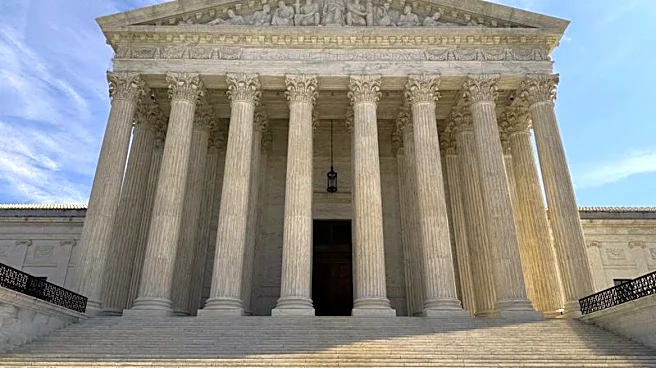
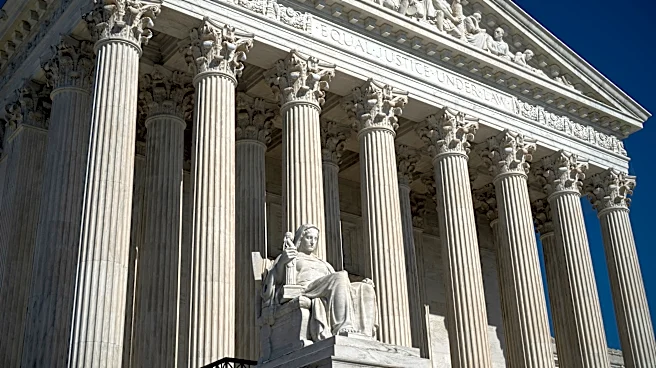
The Supreme Court of the United States (SCOTUS) has lifted a lower-court order that blocked Alabama's 2023 congressional map, which was challenged for diluting Black votes. This decision follows a similar ruling regarding Louisiana, where the court found
that creating a second majority-Black district was unconstitutional. The 6-3 decision, along ideological lines, allows Alabama to proceed with a map that could give Republicans a 6-1 advantage in the state's U.S. House delegation. The ruling has significant implications for the current Alabama 2nd Congressional District, held by Black Representative Shomari Figures, which may be dramatically altered, potentially affecting his re-election prospects.
Why It's Important?
This decision is significant as it underscores the ongoing debate over voting rights and gerrymandering in the United States. By allowing Alabama to proceed with its map, the Supreme Court has effectively endorsed a redistricting plan that critics argue undermines the Voting Rights Act's protections against racial discrimination in voting. The ruling could set a precedent for other states with similar demographic and political dynamics, potentially leading to a reduction in minority representation in Congress. This decision also highlights the influence of the Supreme Court's conservative majority on issues of race and voting rights, which could have long-term implications for electoral politics in the U.S.
What's Next?
The decision is likely to embolden other states with Republican majorities to pursue similar redistricting strategies, potentially leading to further legal challenges and political battles over voting rights. Civil rights groups and Democratic lawmakers may seek legislative or judicial remedies to counteract the effects of this ruling. Additionally, the decision could become a focal point in upcoming elections, as candidates and voters grapple with its implications for representation and electoral fairness.
Beyond the Headlines
The ruling raises broader questions about the role of race in American politics and the judiciary's interpretation of the Voting Rights Act. It also highlights the tension between state and federal authority in determining electoral boundaries. The decision may contribute to increased racial polarization and could influence public perception of the Supreme Court's impartiality and commitment to protecting minority rights.