








What's Happening?
The agricultural sector is undergoing a significant transformation, necessitating a shift in educational approaches to align with technological advancements and sustainability. Modern agriculture is not just about increasing food production but doing
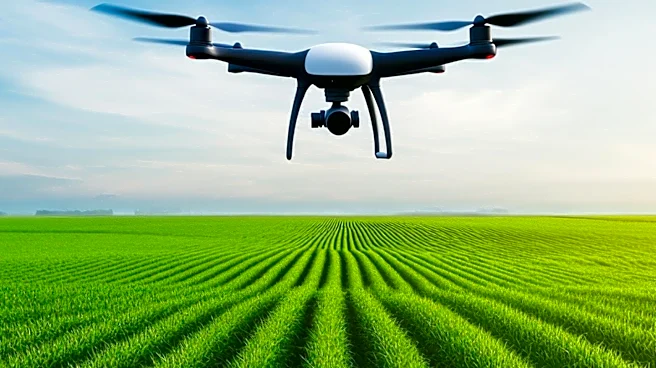
so efficiently with limited resources such as land and water, while also addressing climate change challenges. The integration of technology, such as drones, artificial intelligence, and satellite-based systems, is revolutionizing farming practices. However, the effectiveness of these technologies depends on the education and skills of the professionals using them. Institutions like Lovely Professional University are updating their curricula to include data-driven agriculture, biotechnology, and climate-resilient practices, ensuring that graduates are equipped to meet contemporary agricultural challenges.
Why It's Important?
The evolution of agricultural education is crucial for addressing the complex challenges facing the sector, including climate change, resource depletion, and market demands. By integrating technology and sustainability into the curriculum, educational institutions can produce a new generation of professionals capable of driving innovation and ensuring food security. This shift is not only an academic priority but also an economic and environmental imperative. As the agricultural sector offers opportunities beyond traditional farming, such as in agritech start-ups and digital agriculture platforms, fostering entrepreneurial thinking among students is essential. This approach can lead to job creation and modernization within the sector, contributing to national and global food security.
What's Next?
The future of agricultural education will likely see increased collaboration between academia and the agritech industry. This includes internships, industry partnerships, and projects with start-ups, providing students with real-world experience. As educational institutions continue to adapt their curricula, they will play a pivotal role in shaping the resilience and sustainability of food systems. The focus will be on nurturing leaders who can drive change and innovation in agriculture, ensuring that the sector can meet the demands of a growing global population while maintaining environmental sustainability.
Beyond the Headlines
The transformation in agricultural education also highlights the need for interdisciplinary collaboration. By bringing together agronomy students, data scientists, engineers, and policymakers, universities can foster innovation and enhance employability. This approach not only addresses immediate agricultural challenges but also prepares students to tackle future issues. The emphasis on sustainability and technology in education reflects broader societal shifts towards environmentally responsible practices and the use of digital tools to solve complex problems.