





What's Happening?
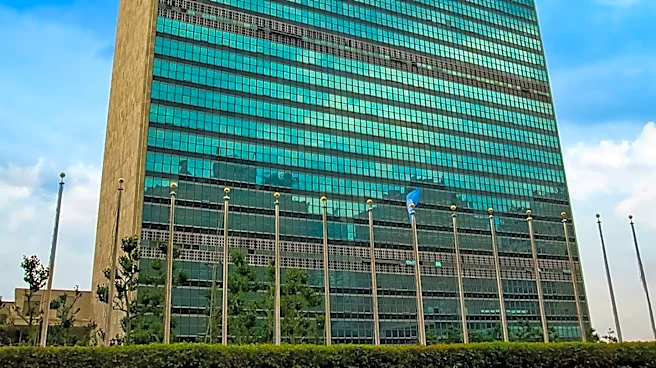
The United Nations University, in collaboration with the Embassy of Sweden in Tokyo, will host a seminar on December 14, 2026, to mark the 70th anniversary of Japan's accession to the United Nations. Japan became the 80th member of the UN on December 18,
1956, during Dag Hammarskjöld's tenure as Secretary-General. The seminar aims to reflect on Hammarskjöld's legacy in international leadership, focusing on his contributions to peace, security, and international cooperation. The event will feature discussions on the relevance of his leadership to contemporary global challenges and how countries like Sweden and Japan can bolster the UN's mission. Speakers will include Professor Tshilidzi Marwala, Rector of the United Nations University, Mr. Kentaro Kaihara, Ambassador in Charge of UN Affairs of Japan, and Ms. Caroline Hammarskjöld, President of the Hammarskjöld Society and Dag Hammarskjöld's great-niece. A special exhibition will also be held, showcasing historical photographs, documents, and a traditional Japanese Noh mask gifted to Hammarskjöld in 1956.
Why It's Important?
This commemorative seminar underscores the enduring importance of multilateralism and international cooperation in addressing global challenges. Dag Hammarskjöld's leadership significantly shaped the UN's role in diplomacy, peacekeeping, and conflict resolution, and his principles remain relevant as the international community grapples with complex issues. The event provides a platform for examining historical lessons and applying them to current geopolitical landscapes, highlighting the roles of member states like Japan and Sweden in strengthening the UN. For the United States, a founding member of the UN, such discussions reinforce the value of international institutions in maintaining global stability and advancing shared objectives. The seminar's focus on peace and security aligns with U.S. foreign policy goals, emphasizing collaborative approaches to global governance and conflict prevention. The exhibition also offers a cultural dimension, illustrating the historical ties and diplomatic exchanges that have shaped international relations.
What's Next?
The seminar on December 14, 2026, will serve as a forum for dialogue among diplomats, academics, and international relations experts. Following the discussions, it is anticipated that insights and recommendations will emerge regarding strategies for enhancing the UN's effectiveness in promoting peace and security. The event could inspire further collaborative initiatives between member states to address pressing global issues, drawing from Hammarskjöld's legacy. The exhibition of historical artifacts will likely foster greater public awareness and appreciation for the UN's history and its ongoing mission. Future engagements may include follow-up discussions or policy recommendations presented to relevant UN bodies, potentially influencing future diplomatic efforts and international cooperation frameworks. The participation of high-level officials from Japan and Sweden suggests a continued commitment from these nations to actively support and strengthen the United Nations.
Beyond the Headlines
Beyond the immediate commemoration, this seminar delves into the philosophical underpinnings of international leadership and the evolving nature of multilateralism. Dag Hammarskjöld's emphasis on impartial diplomacy and the pursuit of peace in complex geopolitical environments offers a timeless model for global governance. The event implicitly raises questions about the UN's adaptability in a rapidly changing world, where new forms of conflict and cooperation are constantly emerging. The display of the Noh mask symbolizes the cultural diplomacy that often underpins international relations, highlighting how shared heritage and mutual respect can bridge divides. For the United States, understanding and supporting such initiatives is crucial for maintaining its influence and promoting its values on the global stage, as the effectiveness of international institutions directly impacts global stability and U.S. national interests. The seminar also subtly reinforces the idea that historical figures and their principles continue to offer guidance for contemporary challenges, urging a reflective approach to international policy-making.