



What's Happening?
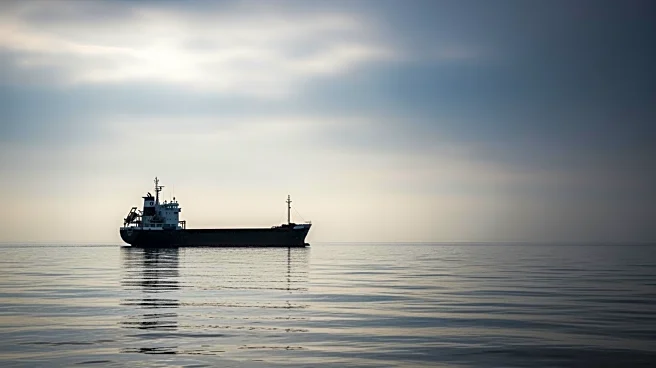
The Governor of Svalbard, Lars Fause, has announced a high-priority initiative to monitor Russian voyages to the Norwegian archipelago. The passenger and cargo vessel Professor Molchanov, scheduled for ten voyages from Murmansk to Barentsburg in 2026,
marks a significant increase in Russian activity in the region. The first voyage, delayed by bad weather, departed on March 8, 2026. This direct route from Murmansk allows Russian citizens to bypass Norwegian visa requirements typically needed for air travel through Oslo or Tromsø. The Governor's office, in collaboration with Customs, will conduct routine inspections, including identity checks and goods inspections, to ensure compliance with local regulations. Barentsburg, a settlement primarily inhabited by Russian nationals, is a focal point of these voyages, which are essential for transporting employees, their families, and necessary supplies.
Why It's Important?
This development underscores the strategic importance of Svalbard in Arctic geopolitics, particularly as Russia seeks to expand its influence in the region. The increased Russian presence could have implications for Norway's sovereignty and security, given the archipelago's proximity to NATO's northern flank. The voyages also highlight Russia's intent to bolster its economic activities in the Arctic, with plans to attract significant tourism by 2040. However, the sustainability of these voyages is questioned, as the economic viability and quality of service remain uncertain. The situation reflects broader tensions between Russia and Western nations, particularly in light of ongoing geopolitical conflicts.
What's Next?
The Governor's office will continue to allocate resources to monitor these voyages, ensuring that all activities comply with Norwegian laws. Future voyages are expected to include tourists, which could test the commercial viability of these operations. The Norwegian government may need to reassess its policies and strategies regarding Svalbard to address potential security and economic challenges posed by increased Russian activity. Additionally, the international community will likely keep a close watch on developments in the region, given its strategic significance.
Beyond the Headlines
The situation in Svalbard raises questions about the long-term sustainability of Russia's economic activities in the Arctic, particularly as coal production declines. The shift towards tourism as a primary economic driver may face challenges due to geopolitical tensions and the need for high-quality services. Furthermore, the increased Russian presence could lead to diplomatic tensions with Norway and other Arctic nations, necessitating careful management of international relations and adherence to existing treaties governing the region.