






What's Happening?
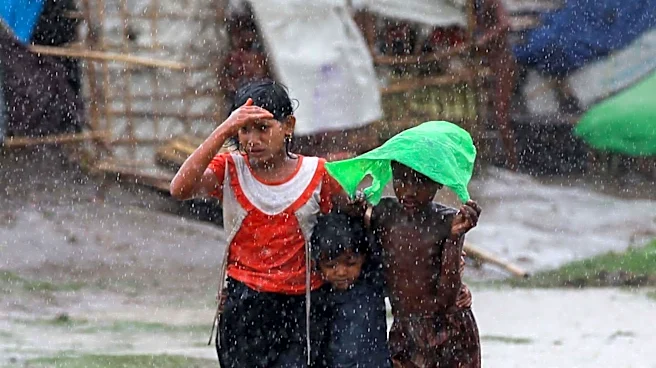
UNICEF has reported that more than 17,000 children in Nepal require urgent mental health and psychosocial support following recent devastating floods. The disaster has left many children traumatized, having witnessed the loss of loved ones, destruction
of homes and schools, and displacement. Ms. Alice Akunga, UNICEF Representative to Nepal, emphasized that the floods struck during school hours, shattering children's sense of safety and leaving them with fear, anxiety, and grief. Additionally, 541 unaccompanied and separated children are at heightened risk and need protection services. UNICEF is collaborating with government authorities and partners to provide family tracing, reunification, and psychosocial support. So far, 18 unaccompanied and separated children have been reunified with their families, and alternative care is being arranged for those who lost both parents. Community-based protection monitoring teams are also active along transit routes to identify at-risk children and prevent trafficking and exploitation.
Why It's Important?
The mental health crisis among flood-affected children in Nepal underscores the critical need for comprehensive humanitarian responses that extend beyond immediate physical aid. The long-term psychological impact of such traumatic events can severely hinder a child's development, education, and overall well-being. Without adequate mental health and psychosocial support, children may face prolonged distress, anxiety, and difficulty reintegrating into normal life. This situation highlights the vulnerability of children in disaster zones and the importance of early intervention to mitigate lasting psychological scars. Investing in these services is crucial for fostering resilience and enabling children to process their experiences, regain a sense of security, and recover. The efforts to reunify families and provide alternative care are vital in preventing further trauma and ensuring the safety and stability of these vulnerable children.
What's Next?
UNICEF and its partners are scaling up mental health and psychosocial support services, including Psychological First Aid and counseling. Eighteen Child-Friendly Spaces, with 13 supported by UNICEF, are providing safe environments for children to play, learn, and begin their recovery. These spaces are supported by an integrated network of psychologists, counselors, and frontline workers in displacement sites and affected communities. UNICEF continues to advocate for increased investment in child protection and mental health services to ensure sustained support for flood-affected children. The ongoing efforts will focus on identifying children with severe distress and facilitating referrals to specialized services, while also working to prevent increased protection risks due to reduced coping capacity and social isolation.
Beyond the Headlines
The situation in Nepal sheds light on the often-overlooked mental health consequences of natural disasters, particularly for children. Beyond the immediate humanitarian crisis, there is a deeper ethical imperative to provide holistic care that addresses both physical and psychological wounds. The long-term societal implications of widespread childhood trauma can include increased rates of mental health disorders, educational setbacks, and social challenges, potentially impacting future generations. This event also highlights the need for robust disaster preparedness plans that integrate mental health support as a core component, ensuring that communities are equipped to address the emotional aftermath of such catastrophes. The focus on community-based protection and child-friendly spaces demonstrates a proactive approach to fostering resilience and rebuilding the social fabric in affected regions.