



What's Happening?
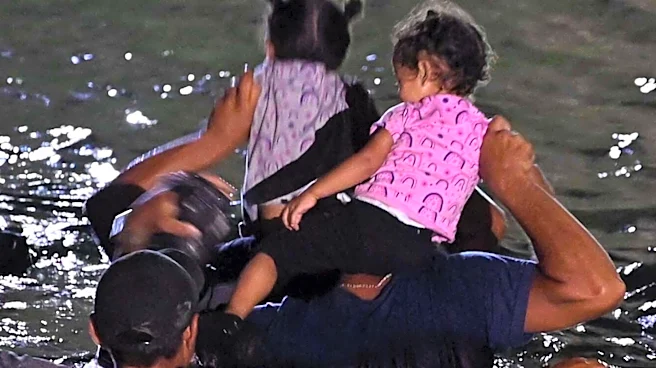
The expiration of Temporary Protected Status (TPS) for thousands of Haitians in Massachusetts has created a dire situation for many families. These individuals are now confronted with the difficult decision of either returning to Haiti, a nation currently
plagued by violent gangs, or remaining in the United States and facing potential deportation. The TPS program, which was initially designed to provide temporary refuge to individuals from countries experiencing armed conflict, environmental disasters, or other extraordinary conditions, has been a lifeline for many Haitians. However, with its expiration, the affected individuals are left in a precarious position, as reported by WBZ-TV's Louisa Moller.
Why It's Important?
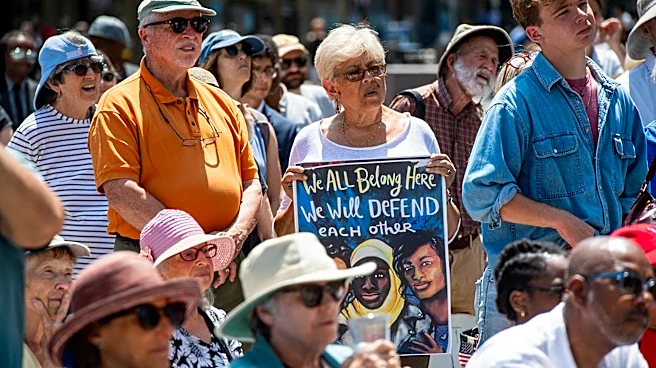
The end of TPS for Haitians in Massachusetts has significant implications for both the individuals affected and the broader community. For the Haitians, the decision to return to a country with severe safety concerns or to stay in the U.S. under the threat of deportation presents a profound personal and familial crisis. This situation also highlights broader issues within U.S. immigration policy, particularly concerning the handling of humanitarian protections and the challenges faced by immigrants from countries in crisis. The potential deportation of thousands could also impact local economies and communities in Massachusetts, where many of these individuals have established lives and contribute to the workforce.
What's Next?
As the situation unfolds, advocacy groups and legal organizations may step in to provide support and explore legal avenues to extend protections or find alternative solutions for those affected. The U.S. government may face increased pressure to reconsider or extend TPS for Haitians, especially given the ongoing instability in Haiti. Community leaders and policymakers in Massachusetts might also engage in discussions to address the immediate needs of these individuals and mitigate the impact on local communities.