






What's Happening?
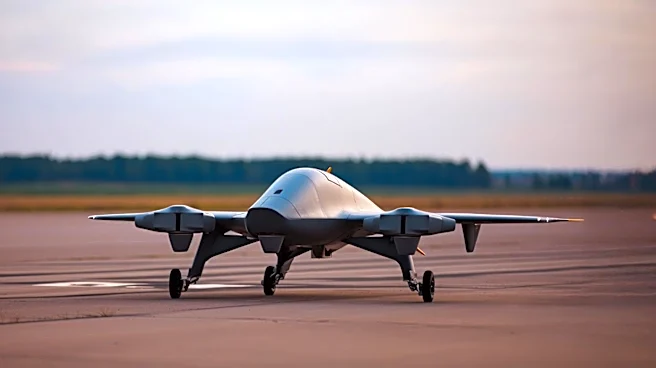
General Atomics Aeronautical Systems (GA-ASI) and the U.S. Navy have conducted tests on new mission planning software designed for uncrewed aircraft. This software enables the MQ-20 Avenger to interpret commander's orders, coordinate with other aircraft,
and adapt to changing threats autonomously. The demonstration involved an MQ-20 Avenger flying from GA-ASI's Gray Butte facility in California, linked to a mission operations center in Poway. A live, virtual, and constructive framework was utilized, integrating the aircraft with simulated platforms and computer-generated participants in a combat scenario that included land, air, and maritime threats. This setup allowed the team to evaluate coordination across the force without requiring every represented aircraft to be physically flown. The tests also assessed how autonomous decisions influenced mission timing and the interaction between human operators and the software. The U.S. Navy's existing mission planning system was integrated with GA-ASI's Tactical Autonomy Ecosystem (TacACE), the software managing autonomous mission activity on the MQ-20 Avenger.
Why It's Important?
This development is crucial for the future of U.S. military operations, particularly in enhancing the capabilities of uncrewed aerial systems. The ability of autonomous systems to interpret complex orders and adapt in real-time to dynamic combat environments significantly reduces the cognitive load on human operators and accelerates decision-making processes. This can lead to more efficient and effective mission execution, especially in high-threat scenarios. The integration of TacACE with the Navy's existing planning systems, adhering to the Autonomy Government Reference Architecture, ensures interoperability and scalability across different platforms. This advancement could revolutionize how the U.S. Navy conducts surveillance, reconnaissance, and strike missions, allowing for greater persistence, reduced risk to human personnel, and improved coordination in multi-domain operations. The focus on collaborative autonomy also suggests a future where crewed and uncrewed assets work seamlessly together, amplifying overall force projection and responsiveness.
What's Next?
The successful demonstration paves the way for further development and integration of autonomous mission planning capabilities within the U.S. Navy. Future tests are planned to explore air patrol, threat neutralization, and connectivity with crewed platforms like the F/A-18 Super Hornet. This indicates a clear trajectory towards a more integrated and autonomous naval air fleet. The ongoing development of the Collaborative Autonomy Mission Planning and Debrief project will continue to refine planning and review workflows for uncrewed operations. As the technology matures, it is expected to be deployed in operational settings, potentially leading to significant shifts in naval doctrine and tactics. The U.S. military will likely continue to invest in artificial intelligence and machine learning for defense applications, aiming to maintain a technological edge. The ethical and regulatory frameworks surrounding autonomous weapons systems will also need to evolve in parallel with these technological advancements.
Beyond the Headlines
The increasing autonomy of military systems, as demonstrated by the MQ-20 Avenger's mission planning software, raises profound questions about the role of human decision-making in warfare. While the current tests involve human operators interacting with the software, the trend towards greater autonomy could eventually lead to systems making critical decisions in combat with minimal human intervention. This has significant ethical implications, particularly concerning accountability and the potential for unintended escalation. The development also highlights the broader shift towards AI-driven defense capabilities, which could reshape global power dynamics and the nature of future conflicts. The ability of these systems to adapt in real-time to threats also presents challenges for adversaries, requiring them to develop countermeasures against highly agile and unpredictable autonomous platforms. Furthermore, the reliance on sophisticated software and data architectures underscores the growing importance of cybersecurity in military operations, as these systems could become targets for cyberattacks aimed at disrupting or manipulating their autonomous functions.