



What's Happening?
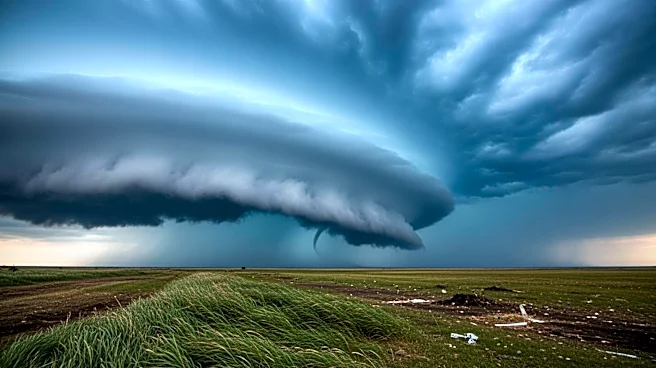
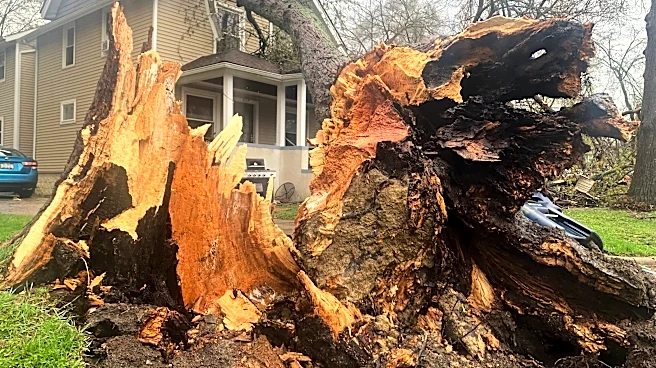
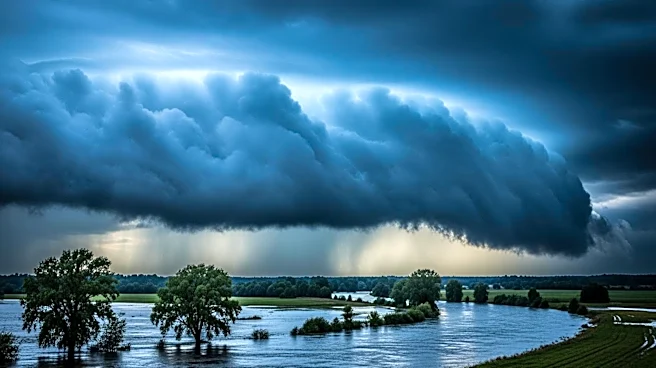
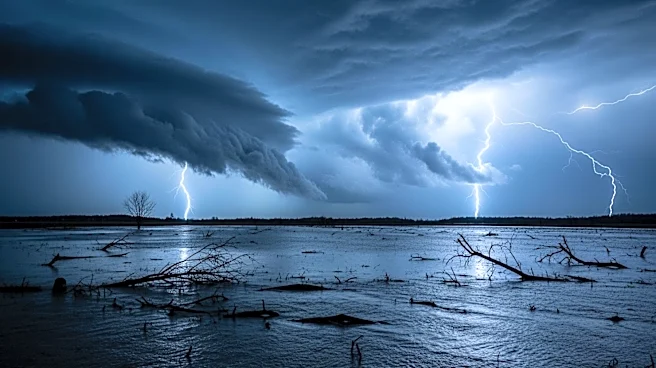
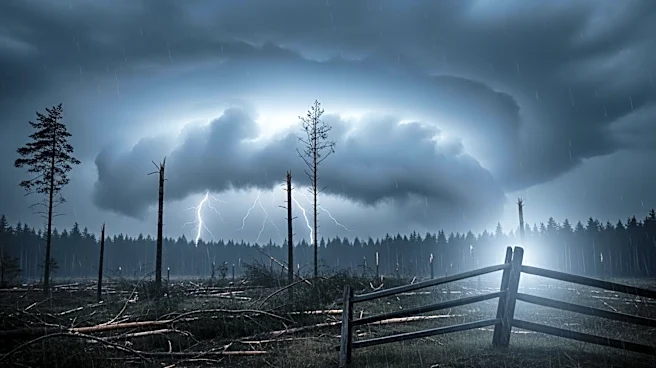
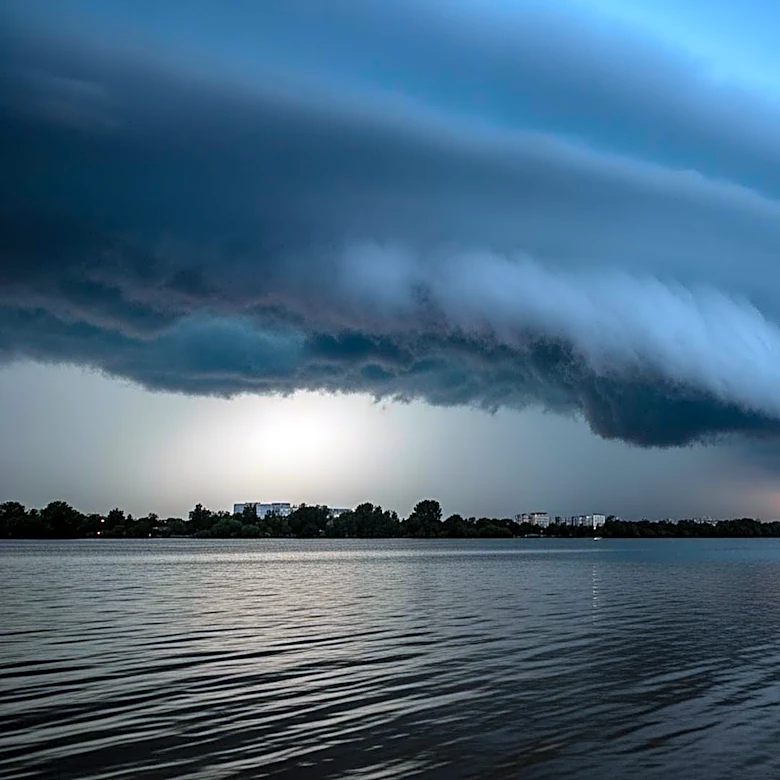
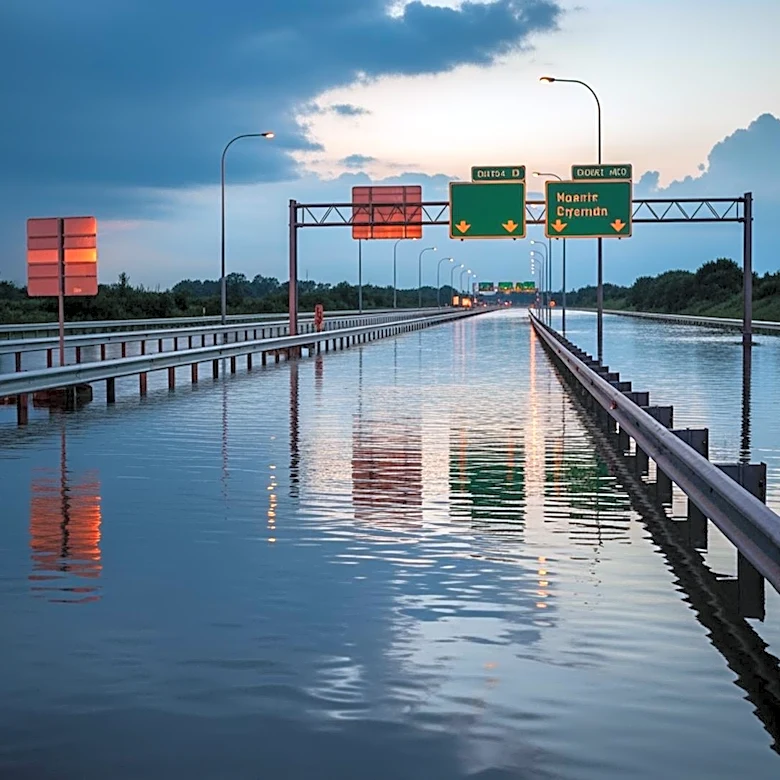
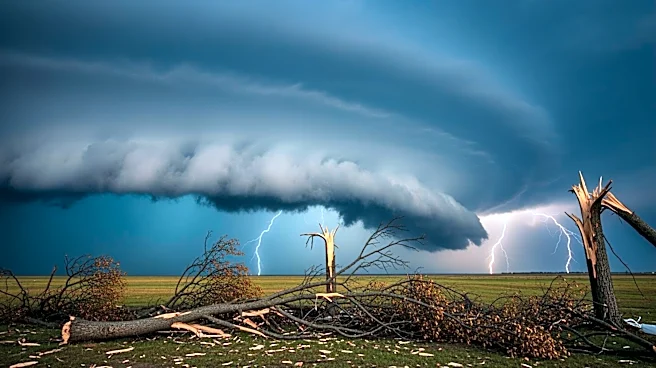
Severe thunderstorms have swept across Michigan and Wisconsin, causing significant damage to infrastructure and prompting emergency responses. In Michigan, powerful winds and heavy rain damaged two ice arenas and uprooted trees, while in Wisconsin, floodwaters
trapped drivers and led to road closures. The storms have resulted in power outages and structural damage to public buildings, including schools in Ann Arbor. Meteorologists are monitoring the situation closely as more storms are expected to move into the region, potentially bringing further damage.
Why It's Important?
The severe weather events highlight the vulnerability of infrastructure in the Midwest to extreme weather conditions. The damage to public facilities and transportation networks can disrupt daily life and economic activities, particularly in affected communities. The storms also underscore the importance of emergency preparedness and response strategies to mitigate the impact of such events. As climate change continues to influence weather patterns, the frequency and intensity of storms may increase, necessitating adaptive measures to protect communities and infrastructure.
What's Next?
As the Midwest continues to experience severe weather, local governments and emergency services are likely to focus on recovery efforts and damage assessment. Structural engineers will evaluate the extent of damage to public buildings, while utility companies work to restore power. Meteorologists will continue to track the storm system as it moves eastward, providing updates and warnings to residents in its path. Long-term, communities may need to invest in infrastructure improvements to better withstand future storms.