





What's Happening?
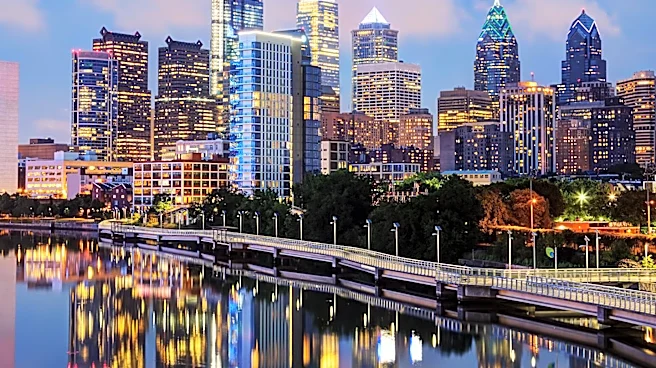
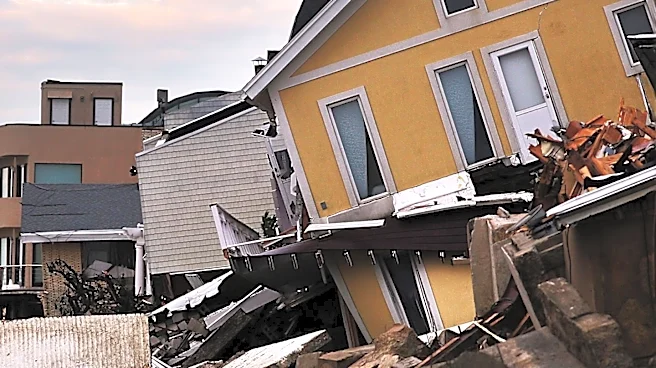
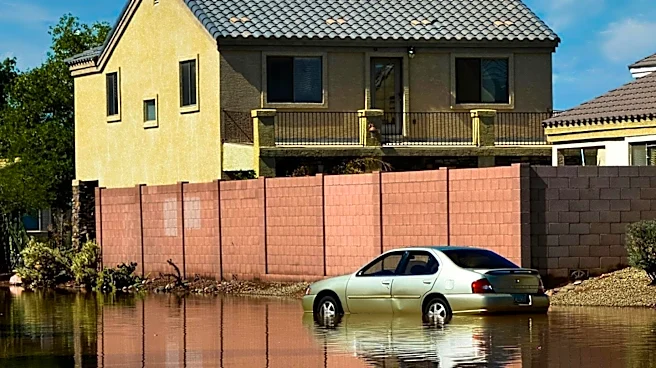
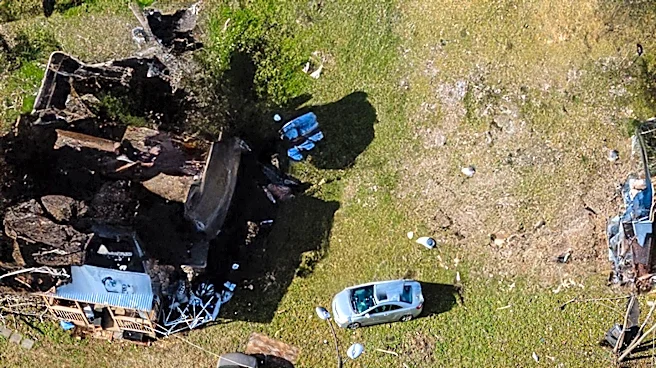
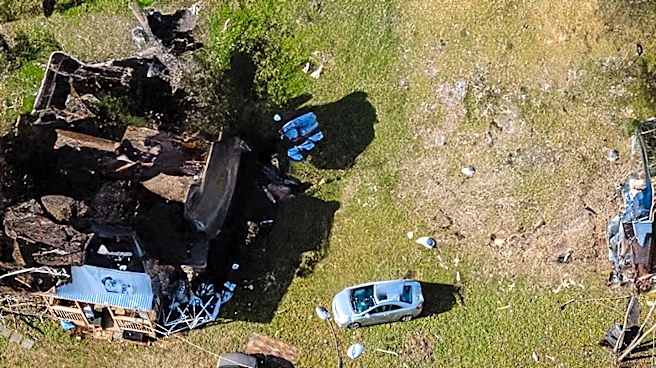
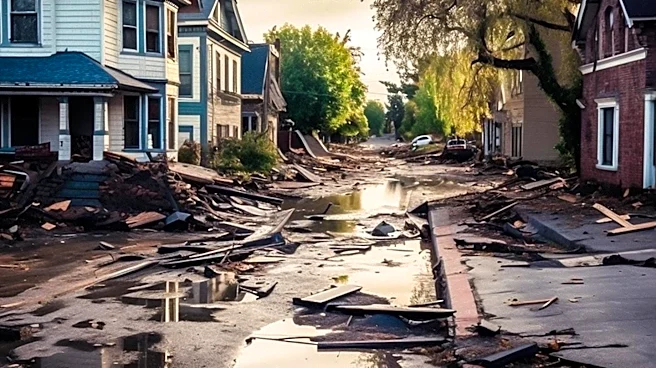
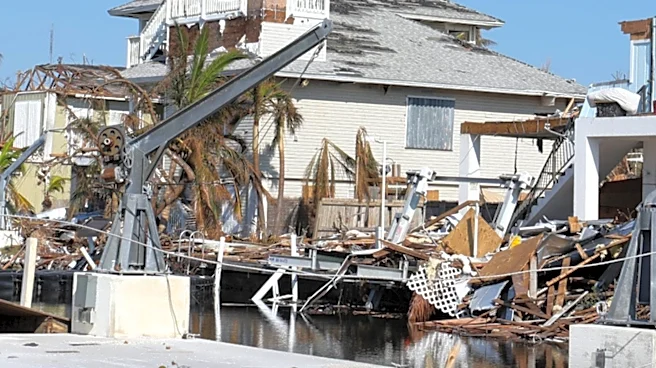
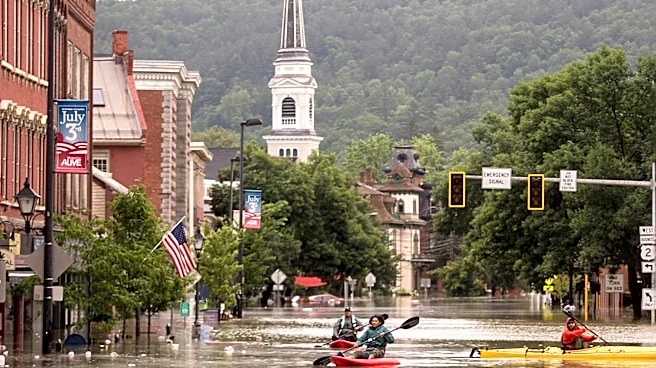
Residents in Philadelphia and surrounding counties are dealing with the aftermath of severe microburst storms that struck the area. These storms, characterized by intense, short-lived bursts of wind, caused significant damage, including downed trees and power
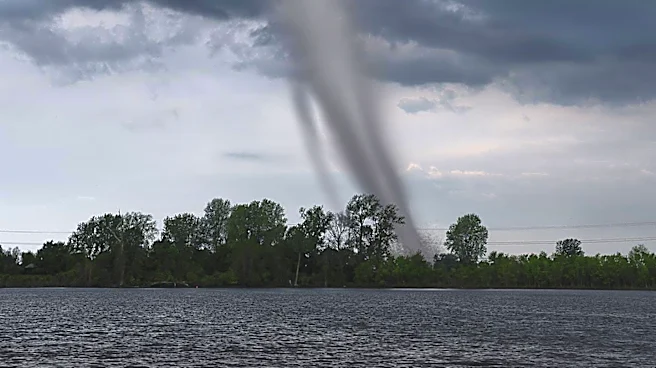
lines, street flooding, and structural damage. A building collapse in West Philadelphia resulted in debris blocking streets and trolley tracks. The National Weather Service confirmed that straight-line winds, not a tornado, were responsible for the damage. Philadelphia Mayor Cherelle Parker declared a Disaster Emergency and emphasized the coordinated efforts of government agencies to restore services and assist affected residents. The Philadelphia Housing Authority reported damage to 11 residential units, with residents evacuated to temporary shelters.
Why It's Important?
The microburst storms highlight the vulnerability of urban infrastructure to severe weather events, which are becoming more frequent and intense due to climate change. The damage underscores the need for cities to invest in resilient infrastructure and emergency preparedness. The response from local authorities, including the declaration of a Disaster Emergency, demonstrates the importance of coordinated efforts in disaster management. The impact on residents, particularly those displaced from their homes, emphasizes the social and economic challenges posed by such natural disasters. The situation also raises questions about the adequacy of current infrastructure to withstand future weather events.
What's Next?
In the coming days, efforts will focus on clearing debris, restoring power, and repairing damaged infrastructure. Authorities will likely assess the effectiveness of their emergency response and identify areas for improvement. The incident may prompt discussions on enhancing urban resilience and infrastructure investment to better prepare for future storms. Residents affected by the damage will need continued support as they recover and rebuild. The city may also explore long-term strategies to mitigate the impact of severe weather, including updating building codes and investing in green infrastructure.