




What's Happening?
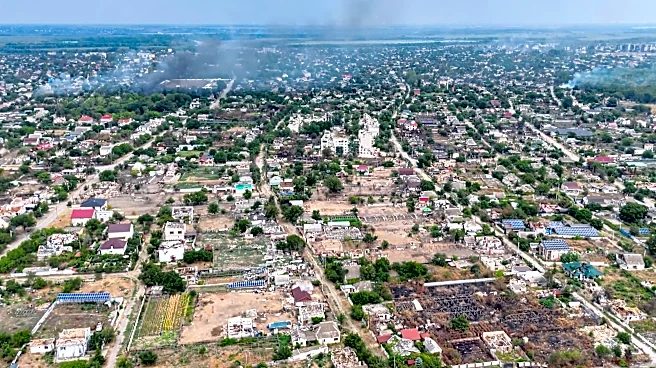
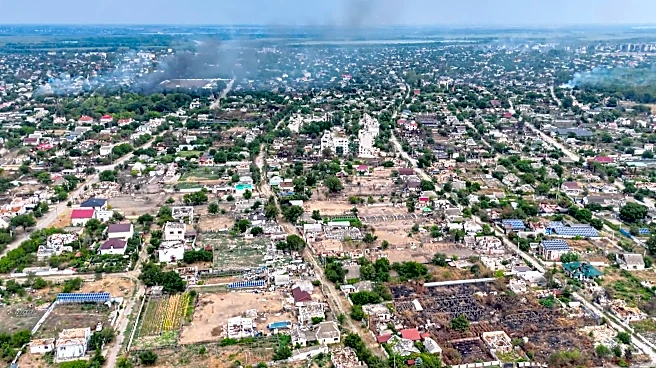
A temporary ceasefire has been established in the Russian-occupied Ukrainian city of Oleshky, facilitated by U.S. First Lady Melania Trump. This agreement aims to create a humanitarian corridor for aid deliveries and civilian evacuations. Residents of Oleshky have
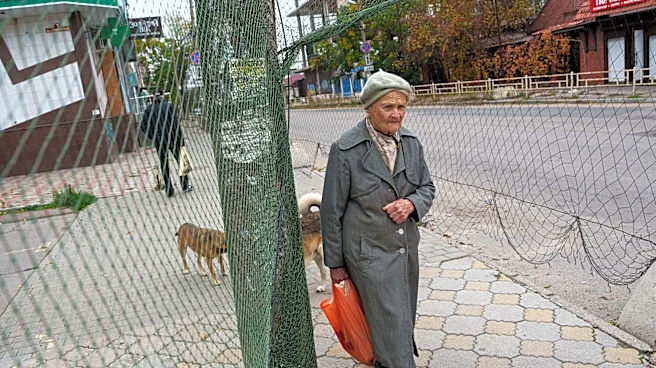
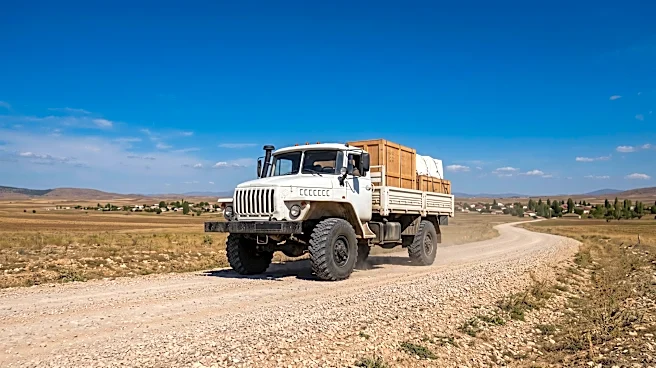
faced severe conditions, including lack of food, medicine, and basic services, with some reportedly resorting to eating grass and animals to survive. The ceasefire, which began on October 27, 2026, is scheduled to last until November 1, 2026. Both Ukrainian and Russian officials have confirmed that the ceasefire has held without incident for its initial 30 hours. The agreement involves representatives from Ukraine and Russia assessing residents' needs and providing transportation to their chosen destination, either Ukrainian-controlled territory or Russia. An independent American media organization will accompany the teams to document the evacuation process and ensure residents' preferences are respected. Roads in and around Oleshky need to be cleared of mines before aid deliveries and evacuations can fully commence.
Why It's Important?
This humanitarian agreement marks a significant diplomatic achievement, as it is the first time since the full-scale invasion that Russia and Ukraine have observed a substantial truce. The involvement of U.S. First Lady Melania Trump as an 'exclusive intermediary' highlights a unique approach to international diplomacy, leveraging personal relationships to bridge divides between warring nations. The success of this corridor could set a precedent for future humanitarian efforts in other conflict zones, demonstrating that even in deeply entrenched conflicts, common ground can be found for the sake of civilian well-being. For the U.S., this initiative underscores a commitment to humanitarian aid and potentially offers a pathway for broader peace negotiations, as President Trump is reportedly pushing for a peace settlement. The situation also brings attention to the dire humanitarian crises in occupied territories, emphasizing the urgent need for international intervention and safe passage for civilians.
What's Next?
The immediate next steps involve mine-clearing operations on roads leading into and within Oleshky to ensure safe passage for humanitarian convoys and evacuees. Evacuations are scheduled to begin on October 30, 2026, with the humanitarian mission expected to last approximately one week, concluding in early November. If additional time is required, both sides may negotiate an extension, with Melania Trump potentially participating in further talks. Beyond Oleshky, the agreement envisions regular humanitarian aid deliveries and repatriation efforts in other communities across the Kherson region, coordinated with Trump's assistance, at least once a month. There is uncertainty among residents regarding the evacuation process, with fears of Russian 'filtration' or being directed towards Russian territory. The outcome of this initial operation in Oleshky will likely influence the expansion and success of future humanitarian missions in the region.
Beyond the Headlines
The brokering of this ceasefire by Melania Trump introduces a less conventional form of diplomacy, operating outside traditional governmental channels. Her role as an 'exclusive intermediary' suggests a reliance on personal trust and influence, which could be seen as both a strength and a potential vulnerability in complex international relations. This initiative also highlights the ongoing debate about the role of non-governmental figures in high-stakes diplomatic efforts. Furthermore, the agreement's success or failure will have significant implications for the perception of U.S. influence in the Russia-Ukraine conflict and could impact future U.S.-led peace initiatives. The humanitarian crisis in Oleshky, where residents have faced extreme deprivation, underscores the profound human cost of prolonged conflict and the critical importance of establishing and maintaining humanitarian access, even amidst ongoing hostilities. The documentation of the evacuation process by an independent American media organization aims to ensure transparency and accountability, addressing concerns about the safety and choices of evacuees.