




What's Happening?
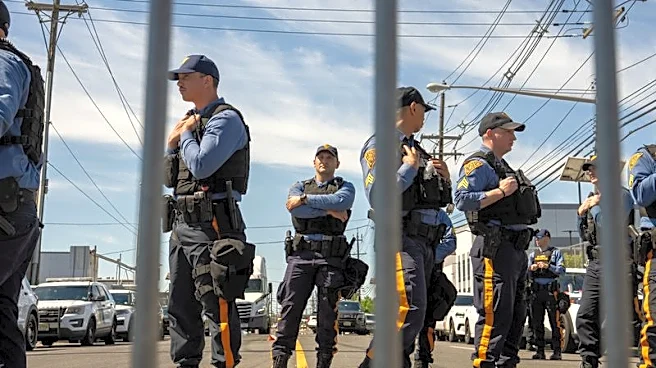
Newark Mayor Ras Baraka is set to reveal a new legal strategy aimed at closing Delaney Hall, an ICE facility that has been the focal point of ongoing protests. The facility has been under scrutiny as demonstrators have gathered for several days, demanding
its closure. The protests are part of a broader movement against immigration detention centers, which activists argue are inhumane and unnecessary. Mayor Baraka's announcement is expected to outline the city's approach to legally challenge the operation of Delaney Hall, reflecting the administration's response to public pressure and its stance on immigration enforcement policies.
Why It's Important?
The closure of Delaney Hall could have significant implications for immigration enforcement in Newark and potentially set a precedent for other cities with similar facilities. The move aligns with growing national debates over immigration policy and the role of local governments in addressing federal enforcement actions. For Newark, shutting down the facility could be seen as a victory for activists and a step towards more progressive immigration policies. However, it may also lead to legal challenges from federal authorities or contractors operating the facility, highlighting the tension between local and federal jurisdictions.
What's Next?
Following Mayor Baraka's announcement, the city may face legal battles as it attempts to close Delaney Hall. Stakeholders, including federal agencies and private contractors, are likely to respond, potentially leading to court cases that could delay or complicate the closure process. Additionally, the outcome of this initiative could influence other cities considering similar actions, potentially sparking a broader movement against ICE facilities across the country. The city's legal strategy and its effectiveness will be closely watched by both supporters and opponents of the closure.