





What's Happening?
The Michigan Department of Agriculture and Rural Development (MDARD) has awarded grants to fourteen farms and agricultural businesses across Michigan through its Regenerative Value Chains Grant Program. These grants are designed to support producers who
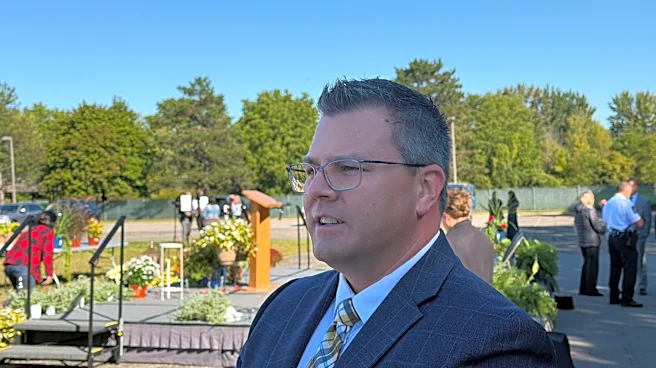
are expanding their use of regenerative farming practices. The awards, announced via MDARD's Farm to Family Program, aim to help newer and growing farm operations invest in critical infrastructure, storage solutions, marketing efforts, and other improvements that can boost production and market access. MDARD Director Tim Boring emphasized the department's focus on regenerative agriculture, stating that "science-driven land practices consistently deliver better outcomes." The grant recipients are implementing practices focused on improving soil health, such as the use of cover crops and the integration of livestock. The funding will facilitate a range of projects, including the establishment of refrigerated storage, wash-pack facilities, farm retail spaces, and upgrades to renewable energy systems.
Why It's Important?
This grant program is significant for the U.S. agricultural sector, particularly in Michigan, as it directly supports the transition towards more sustainable and resilient farming practices. By investing in regenerative agriculture, the state is promoting methods that enhance soil health, reduce environmental impact, and potentially increase the long-term viability of farms. The funding for infrastructure, storage, and marketing will not only help individual farms grow but also strengthen local food systems and supply chains. This initiative can serve as a model for other states looking to foster agricultural sustainability and economic development in rural areas. The emphasis on soil health practices like cover cropping and livestock integration can lead to reduced reliance on synthetic fertilizers and pesticides, benefiting both the environment and consumer health, while also making farms more adaptable to climate challenges.
What's Next?
The Regenerative Value Chains grants represent the fourth funding opportunity under MDARD's Farm to Family Program since its launch in fiscal year 2025. Previous funding rounds have supported food hubs, farm stops, refrigerated transportation projects, and farmers market businesses, indicating a broader, ongoing commitment to strengthening Michigan's agricultural sector. The continued expansion of such programs suggests a sustained effort to integrate regenerative practices into mainstream farming. Future developments may include further grant opportunities, educational initiatives to disseminate best practices, and increased collaboration between state agencies, academic institutions, and agricultural businesses. The success of these initial grant recipients will likely inform future policy decisions and funding allocations, potentially leading to wider adoption of regenerative agriculture across the state and beyond.
Beyond the Headlines
The Michigan grants for regenerative agriculture signal a deeper shift in agricultural policy and consumer values. Beyond the immediate economic and environmental benefits, this initiative fosters a more holistic approach to food production that prioritizes ecological health and community resilience. By supporting practices that improve soil health, the program contributes to biodiversity, water conservation, and carbon sequestration, addressing critical environmental challenges. Culturally, it reinforces the importance of local food systems and direct farmer-to-consumer relationships, potentially leading to a more informed and engaged consumer base. Ethically, it promotes responsible land stewardship and sustainable resource management, aligning with growing societal demands for environmentally conscious practices. This long-term vision could transform Michigan's agricultural landscape, setting a precedent for a more sustainable and equitable food future.