


What's Happening?
In the first half of 2026, global insured losses from natural catastrophes were estimated at $42 billion, marking a quieter period compared to recent years. This decrease is attributed to the geography and timing of storms rather than a reduction in risk.
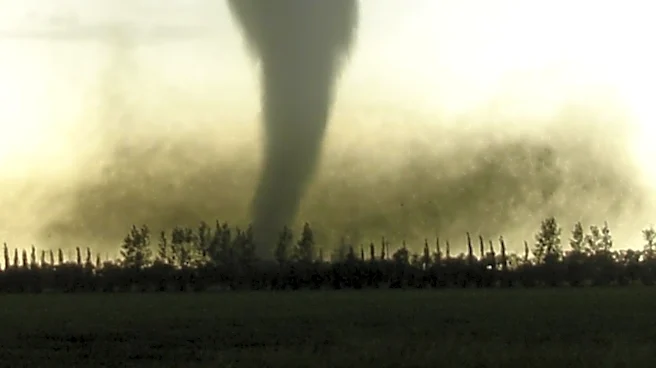
Severe convective storms in the U.S. were the primary contributors, resulting in $28 billion in insured losses, the lowest since 2021. Despite the lower losses, the long-term trend remains upward due to expanding exposure, rising asset values, and changing vulnerability. Insurance covered about 42% of the $100 billion in economic losses from natural catastrophes, which is above the 30-year average of 33%.
Why It's Important?
The data highlights the significant role of severe convective storms in the U.S. insurance market, emphasizing the need for robust risk management strategies. The fact that insurance covered a higher percentage of economic losses than the long-term average suggests a strong insurance market in the U.S. However, the upward trend in losses indicates increasing exposure and vulnerability, which could lead to higher premiums and more stringent underwriting standards. This situation underscores the importance of continued investment in climate resilience and adaptation strategies to mitigate future risks.
What's Next?
As the year progresses, the potential for a costly major event remains, especially with the influence of a strengthening El Niño, which may affect North Atlantic hurricane activity. Stakeholders, including insurers and policymakers, will need to monitor these developments closely and adjust their strategies accordingly. The focus will likely be on enhancing predictive models and investing in infrastructure to withstand severe weather events.