



What's Happening?
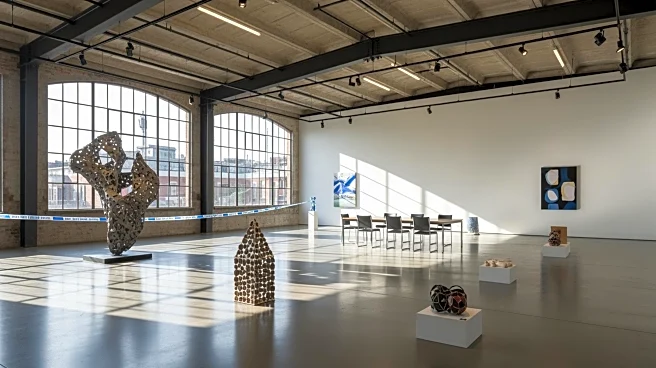
The Kanal-Centre Pompidou, a new gallery of modern and contemporary art in Brussels, is set to open on November 28, 2026. This €230 million project is housed in a former Citroën garage, an architectural landmark in the city. The gallery will feature ten
shows, including a 350-work exhibition from the Centre Pompidou in Paris, which is currently closed for refurbishment. The Brussels-Capital Region, which oversees 19 municipalities including the capital, acquired the building in 2015 and has since transformed it with the help of architectural teams from Brussels, Zurich, and London. The gallery aims to become a major cultural hub, rivaling other European art centers like Tate Modern.
Why It's Important?
The opening of the Kanal-Centre Pompidou is significant for Brussels as it positions the city as a key player in the international art scene. The gallery is expected to attract art enthusiasts and tourists, boosting the local economy and cultural prestige. The project is entirely funded by the Brussels-Capital Region, highlighting the government's commitment to cultural development despite political challenges. The gallery's focus on accessibility, with plans for affordable admission and a subscription model for residents, underscores its role in democratizing art appreciation. This development could also inspire similar cultural investments in other cities.
What's Next?
As the opening date approaches, the Kanal-Centre Pompidou will finalize its exhibition plans and admission policies. The Brussels-Capital Region will need to resolve its political deadlock to ensure continued funding for the project. The gallery's success could influence future cultural policies and investments in Brussels and beyond. Stakeholders, including local artists and cultural organizations, will likely engage with the gallery to maximize its impact on the city's art ecosystem.
Beyond the Headlines
The Kanal-Centre Pompidou's establishment in a former industrial site reflects a broader trend of repurposing historical buildings for cultural use, which can revitalize urban areas. The gallery's emphasis on contemporary art and international collaboration may foster cross-cultural dialogue and innovation. Additionally, the project's financial model, relying on regional funding and strategic partnerships, could serve as a blueprint for other cultural initiatives facing budgetary constraints.