







What's Happening?
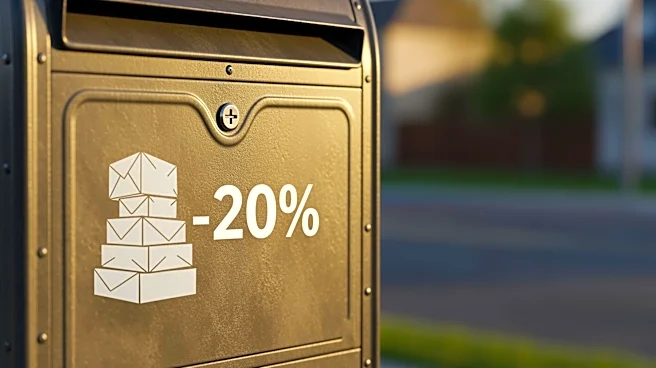
The IRS has highlighted potential risks for taxpayers who plan to mail their tax returns close to the April 15 deadline. Due to ongoing operational changes at the U.S. Postal Service, there is an increased likelihood of delays between the day a tax return is mailed
and when it receives a postmark. This delay could result in penalties and interest if the return is considered late. In 2025, out of 165.8 million tax returns received by the IRS, approximately 10.9 million were not e-filed, indicating a significant number of taxpayers still rely on mailing their returns. The Postal Service advises taxpayers to request hand-cancellation at a post office to ensure timely postmarking.
Why It's Important?
The potential delay in postmarking tax returns could have financial implications for taxpayers who miss the filing deadline. Late returns are subject to penalties, which can be as high as 25% of the tax due, along with interest on unpaid balances. This issue underscores the importance of timely filing and the need for taxpayers to be aware of changes in postal operations. As digital filing becomes more prevalent, those who continue to use traditional mailing methods must adapt to new postal service procedures to avoid financial penalties.
What's Next?
Taxpayers are encouraged to consider electronic filing options to avoid the risks associated with mailing returns. The IRS may continue to promote digital filing as a more reliable method, especially given the operational changes at the Postal Service. Additionally, taxpayers who have consistently filed and paid taxes on time in previous years may request penalty waivers if they face delays this year. The IRS and Postal Service may also work to improve communication regarding these changes to minimize taxpayer confusion and ensure compliance.