



What's Happening?
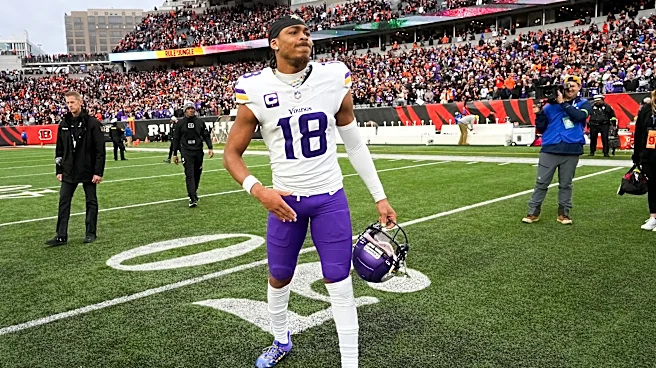
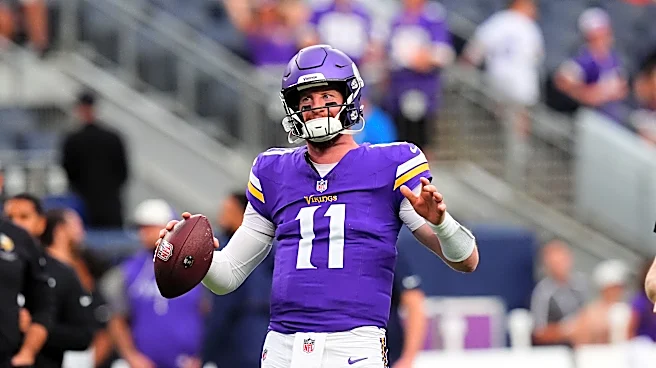
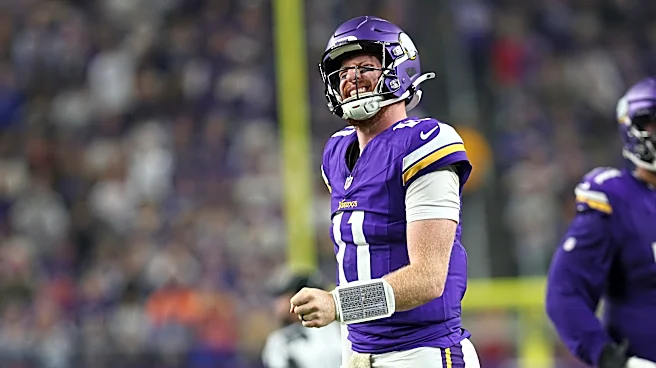
The visible dental irregularities in NFL wide receiver Justin Jefferson's smile have drawn public attention, prompting discussions about dental trauma and sports injuries. While there is no specific information on Jefferson's dental history, his situation
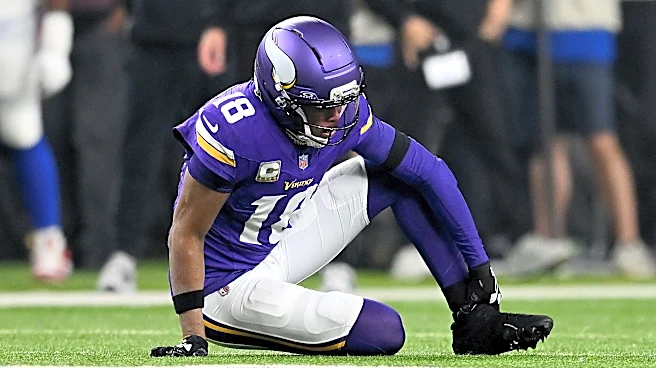
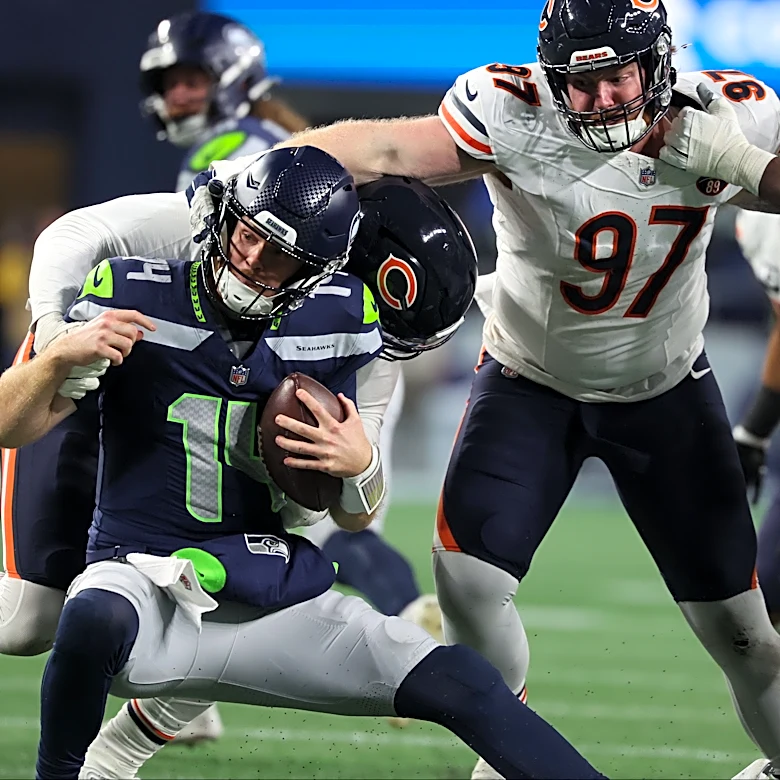
serves as a case study for understanding common dental injuries in contact sports. The American Dental Association (ADA) estimates that over 200,000 oral injuries are prevented annually by mouthguards, yet many still occur, particularly when mouthguards are not worn or do not fit properly. Dental injuries in sports can range from chipped or fractured teeth to cracked, luxated (loosened), or avulsed (knocked-out) teeth. Even with protective gear like helmets and face masks, high-speed collisions, falls, and impacts can lead to significant dental damage. The type and severity of the injury dictate the necessary treatment, which can include bonding, crowns, root canals, or even tooth extraction followed by implants.
Why It's Important?
This discussion is important because it raises awareness about the prevalence and severity of dental injuries in sports, affecting athletes at all levels, from professional to youth. Understanding the risks and proper preventative measures, such as wearing custom-fitted mouthguards, can significantly reduce the incidence of these injuries. For athletes, dental trauma can lead to pain, functional impairment, and costly, time-consuming treatments. For parents and coaches, recognizing the importance of protective gear and knowing how to respond to a dental emergency can make a critical difference in saving a tooth. The long-term implications of untreated or improperly treated dental injuries can include further damage, infection, and aesthetic concerns, impacting an individual's overall health and quality of life.
What's Next?
Increased awareness campaigns and educational initiatives are crucial to promote the consistent use of custom-fitted mouthguards across all contact and collision sports. Dentists and sports organizations should continue to collaborate to emphasize the benefits of professional mouthguard fabrication over generic, boil-and-bite versions. For individuals who have sustained dental injuries, prompt dental evaluation and treatment are essential to ensure the best possible outcome. Ongoing research into advanced protective gear and treatment modalities will also contribute to better prevention and management of sports-related dental trauma. Athletes, parents, and coaches should prioritize dental health as an integral part of overall sports safety.
Beyond the Headlines
The focus on Justin Jefferson's teeth extends beyond mere curiosity, highlighting a broader public health issue within sports. It brings to light the often-overlooked aspect of dental health in athletic performance and safety protocols. The ethical responsibility of sports organizations to ensure athlete well-being, including dental protection, is implicitly questioned. Culturally, the visibility of such injuries in high-profile athletes can normalize discussions around dental trauma, encouraging more individuals to seek preventative care and timely treatment. This also touches upon the psychological impact of dental injuries, which can affect an athlete's confidence and public image, underscoring the holistic nature of athlete care that goes beyond just physical performance.