

What's Happening?
The tradition of maintaining peace during the Olympic Games, dating back to ancient Greece, is being tested as global tensions rise. President Trump has warned Iran to reach a deal amid potential military action, while the Winter Olympics in Italy may
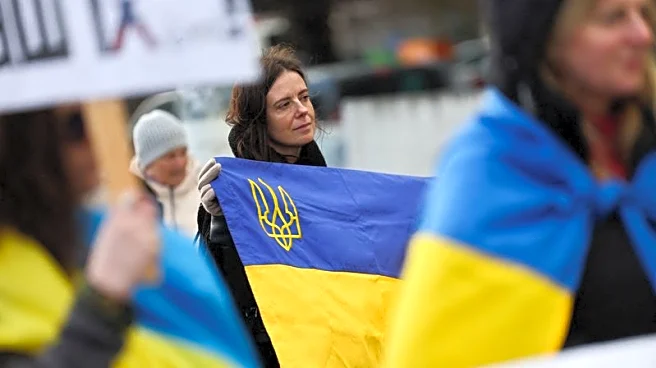
influence the timing of any U.S. strike. Historically, the Olympics have delayed conflicts, but recent events, such as Russia's invasion of Ukraine post-Beijing Olympics, show the limits of this tradition. The current geopolitical climate, including tensions in the Middle East and other regions, highlights the challenges of upholding the Olympic truce.
Why It's Important?
The concept of an Olympic truce reflects the potential for sports to promote peace and stability. However, the current geopolitical tensions demonstrate the limitations of this tradition in preventing conflicts. The situation underscores the complex interplay between international diplomacy, military strategy, and cultural traditions. The outcome of these tensions could impact global perceptions of the Olympics as a symbol of peace and influence future international relations and conflict resolution efforts.
Beyond the Headlines
The challenges to the Olympic truce raise questions about the role of international organizations and cultural traditions in conflict prevention. The situation highlights the need for innovative diplomatic solutions and the potential for sports to serve as a platform for dialogue and peacebuilding. The evolving geopolitical landscape may require a reevaluation of how cultural and historical traditions can be leveraged to address modern conflicts.