



What's Happening?
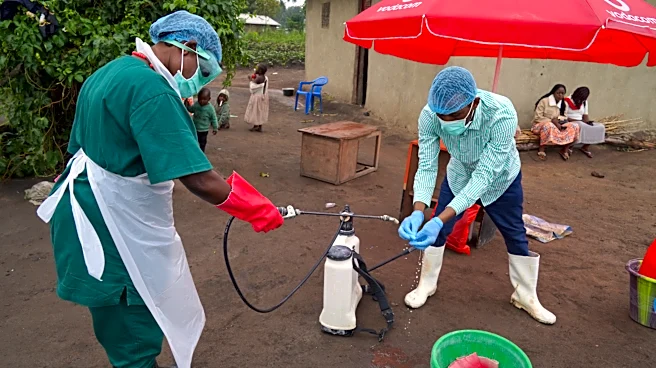
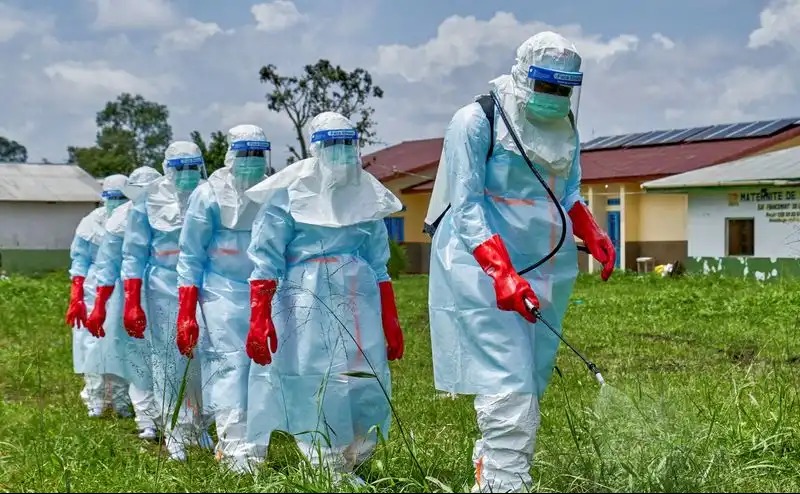
The Democratic Republic of Congo (DRC) is experiencing its fastest-growing Ebola outbreak on record, with over 2,000 deaths reported in less than three months since the outbreak was declared. The World Health Organization (WHO) has confirmed 4,381 cases
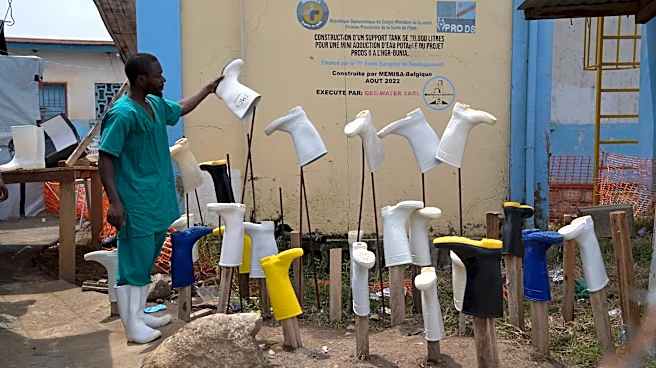
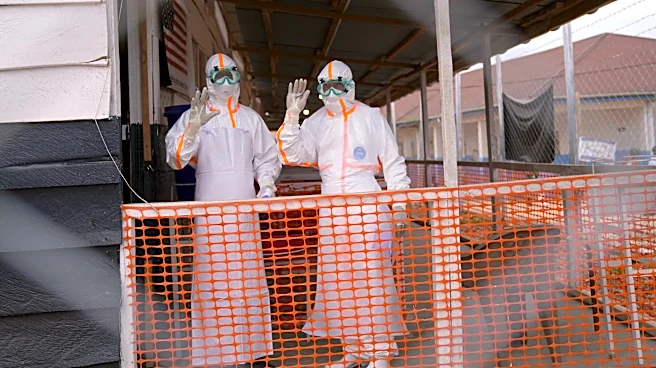
across five provinces, with the virus spreading at an alarming rate. The outbreak is complicated by the lack of an approved treatment or vaccine for the Bundibugyo strain of Ebola, which is responsible for the current crisis. The response efforts are hindered by strikes from unpaid health workers, misinformation, and cultural practices such as intimate family burials, which increase the risk of transmission. The outbreak is second in size only to the West African outbreak from 2014 to 2016, which resulted in over 11,000 deaths.
Why It's Important?
The rapid escalation of the Ebola outbreak in the DRC poses a significant public health threat, not only to the country but also to the broader region. The lack of effective treatments and vaccines for the Bundibugyo strain highlights the urgent need for research and development in this area. The outbreak's impact is exacerbated by socio-economic challenges, including healthcare worker strikes and misinformation, which undermine public health efforts. The situation underscores the importance of international support and collaboration to strengthen health systems and improve outbreak response capabilities. The potential for cross-border transmission also raises concerns about regional stability and the need for coordinated efforts to prevent further spread.
What's Next?
The WHO is conducting vaccine trials, but results are expected to take months. In the interim, efforts will focus on improving surveillance, contact tracing, and community engagement to control the outbreak. Addressing misinformation and cultural practices that contribute to transmission will be critical. The international community may need to provide additional resources and support to bolster the DRC's healthcare infrastructure and address the socio-political challenges that complicate the response. Continued monitoring and collaboration with neighboring countries will be essential to prevent cross-border transmission and ensure regional stability.