





What's Happening?
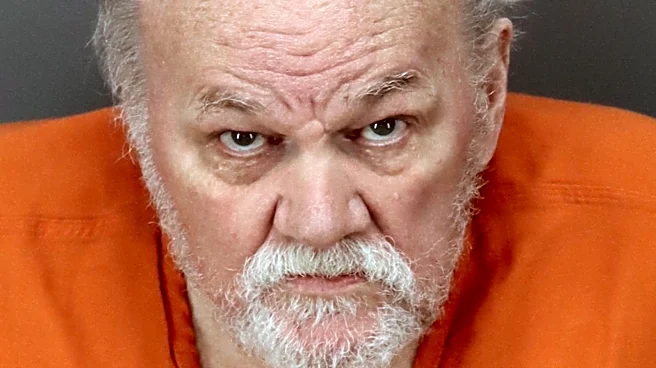
Jose Martinez, who operated Skywolf’s Gallery in Jackson, Wyoming under the name Joseph Skywolf, has been sentenced after pleading guilty to a felony charge. Martinez was found to have falsely represented himself as Native American and claimed that various
artworks, including headdresses, jewelry, paintings, and beaded tanned hides, were created by Native American artists or tribes. The U.S. Department of the Interior stated that Martinez violated the Indian Arts and Crafts Act, PL 101-644, during 2023 and 2024. As a result, he has been sentenced to 24 months of supervised probation and ordered to pay $14,100 in restitution. Meridith Stanton, director of the Department of the Interior’s Indian Arts and Crafts Board (IACB), emphasized that authentic Indian art is crucial for cultural transmission and warned that those selling counterfeit art will be diligently pursued and prosecuted.
Why It's Important?
This sentencing underscores the U.S. government's commitment to protecting Native American cultural heritage and economic interests. The Indian Arts and Crafts Act is designed to prevent fraud in the Native American art market, which is vital for the livelihoods of authentic Indigenous artists and the preservation of their traditions. When individuals falsely claim Native American heritage and sell counterfeit art, they not only deceive consumers but also undermine the economic stability of Native American communities and dilute the cultural significance of genuine Indigenous creations. This case serves as a deterrent to others who might consider engaging in similar fraudulent activities, reinforcing the legal protections in place for Native American artists and their work. The integrity of the art market and the respect for cultural authenticity are at stake, impacting both consumers and Indigenous communities.
What's Next?
The Department of the Interior’s Indian Arts and Crafts Board (IACB) has issued a clear warning that it will continue to diligently work to find and prosecute individuals who sell counterfeit Indian art and craftwork. This indicates an ongoing effort to enforce the Indian Arts and Crafts Act across the United States. Consumers are encouraged to be vigilant and verify the authenticity of Native American art purchases. For Native American artists and tribes, this case reinforces the importance of legal protections and may encourage further reporting of fraudulent activities. The restitution ordered to Martinez will partially compensate for the economic harm caused, but the broader impact of such cases is to strengthen the market for authentic Indigenous art and ensure cultural traditions are respected and valued.
Beyond the Headlines
The case of Jose Martinez highlights a deeper issue concerning cultural appropriation and economic exploitation within the art world. Beyond the legal and financial implications, falsely claiming Native American heritage and selling counterfeit art erodes trust and disrespects the spiritual and historical significance embedded in Indigenous creations. Authentic Native American art is not merely a commodity; it is a tangible expression of identity, history, and spiritual beliefs passed down through generations. Such fraudulent acts contribute to the erasure of Indigenous voices and narratives, making it harder for genuine artists to gain recognition and fair compensation. This incident calls for increased awareness and education among the public about the importance of supporting authentic Indigenous art and understanding the cultural context from which it originates, fostering a more ethical and respectful art market.