



What's Happening?
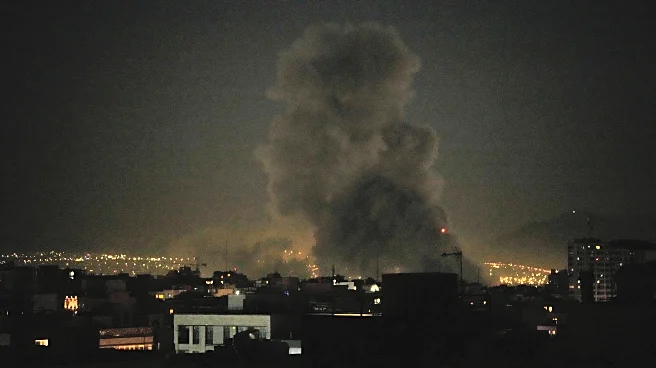
Russia's oil export capacity has been significantly curtailed due to Ukrainian drone attacks and harsh winter storms. The Sheskharis oil terminal in Novorossiysk was forced to suspend operations after a drone attack caused extensive damage. This disruption
comes amid a surge in global crude prices, exacerbated by geopolitical tensions involving the U.S., Israel, and Iran. Russia's budget deficit is rising due to shortfalls in oil and gas revenue, which constitute a significant portion of its budget. Despite high oil prices, Russian exporters are struggling to boost shipments due to operational disruptions and severe weather conditions.
Why It's Important?
The disruption of Russian oil exports has significant implications for global energy markets, particularly as crude prices rise due to geopolitical tensions. The inability of Russia to capitalize on high oil prices could exacerbate its budget deficit, impacting its economy. The situation also highlights the vulnerabilities in global oil supply chains, as conflicts and weather conditions can severely impact export capacities. This could lead to increased volatility in oil prices, affecting economies worldwide, especially those heavily reliant on oil imports.
What's Next?
The Sheskharis terminal is expected to remain shut until at least early March, with no clear timeline for resuming operations. Russian exporters may face continued challenges in diverting crude to other ports due to severe weather and logistical constraints. The ongoing geopolitical tensions and potential for further disruptions could lead to sustained volatility in global oil markets. Stakeholders, including governments and energy companies, will need to monitor the situation closely and consider contingency plans to mitigate the impact of these disruptions.