


What's Happening?
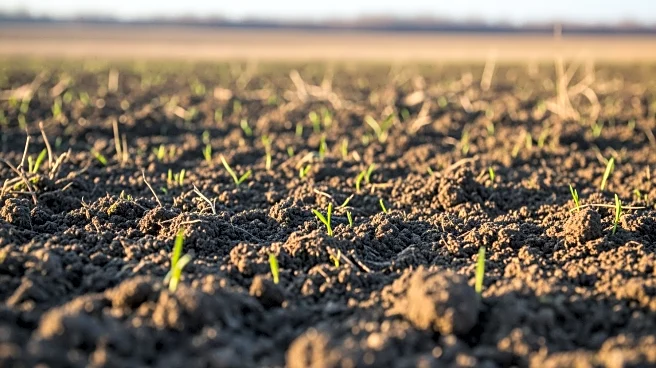
North Dakota is experiencing an unseasonably mild winter, which is causing concern among agriculture experts about the impact on soil conditions as farmers prepare for spring planting. The warmer temperatures are affecting soil moisture levels and altering
soil structure, increasing the risk of fungal and bacterial infections. While some agricultural producers appreciate the warmer weather, others are worried about the muddy fields resulting from the thaw. Jaden Russel, an Ag and Natural Resources Extension Agent, emphasized the importance of monitoring soil temperature to ensure the ground is adequately thawed before planting begins. Officials are closely watching the conditions, although it is too early to predict the outcome of the planting season.
Why It's Important?
The mild winter in North Dakota could have significant implications for the agricultural sector, which is a critical component of the state's economy. Changes in soil conditions can affect crop yields, potentially leading to economic losses for farmers and impacting food supply chains. The risk of fungal and bacterial infections could further complicate planting efforts, requiring additional resources and management strategies. The situation underscores the broader challenges posed by climate variability, which can disrupt traditional farming practices and necessitate adaptive measures. Stakeholders in the agriculture industry, including farmers, suppliers, and policymakers, must remain vigilant and responsive to these changing conditions to mitigate potential negative impacts.