






What's Happening?
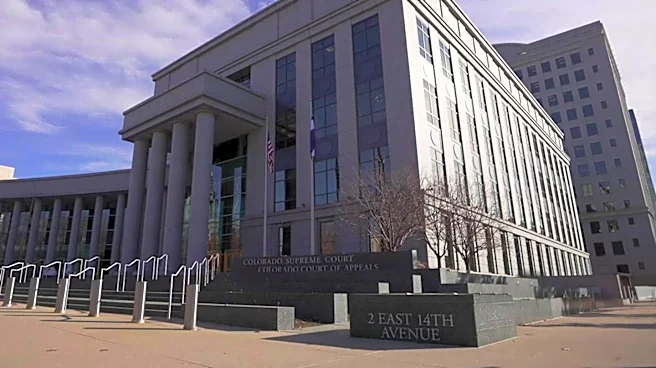
A federal judge has ruled that the U.S. Department of Labor acted unlawfully when it revised minimum wages for farmworkers on H-2A visas, a program allowing American growers to hire foreign workers for seasonal jobs. U.S. District Judge Kirk E. Sherriff
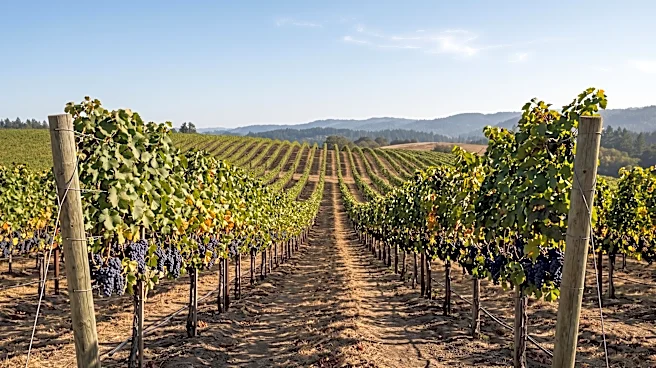
found four aspects of the new rule to be arbitrary and implemented without the required public comment. The rule, which took effect for the current season, set lower wage rates for H-2A workers, in some cases allowing them to be paid less than U.S. workers doing the same job. For instance, in Mendocino County, vineyard jobs are currently paying $16.90 an hour, a decrease from last season's federal floor of $19.97. Despite the ruling, the judge did not immediately overturn the rule, allowing growers to continue paying the lower rates for now. However, the Labor Department has been given seven days to notify state agencies and employers that wage adjustment payments may be required later, potentially leading to backpay for both H-2A and U.S. farmworkers.
Why It's Important?
This ruling is significant because it challenges the legality of a federal policy that directly impacts the wages of thousands of farmworkers across the U.S., including those in Mendocino County. The judge's finding that the Department of Labor acted unlawfully in reducing wages for H-2A visa holders, and in some cases creating a two-tiered wage system, highlights concerns about fair labor practices and regulatory oversight. The H-2A program is designed to address agricultural labor shortages while protecting domestic workers' wages, and this decision suggests that the revised rule undermined that protection. The potential for backpay indicates that employers who have been paying the lower rates may face significant financial liabilities. Furthermore, the ruling underscores the vulnerability of farmworkers, who often perform demanding labor for low wages, and the critical role of legal challenges in upholding their rights. The situation also reveals the complexities of agricultural labor economics, where growers balance labor costs with market prices and regulatory compliance.
What's Next?
The immediate next step is for the U.S. Department of Labor to issue a notice within seven days, informing state agencies, employers, and the public that wage adjustment payments may be required for hours worked under the unlawfully implemented lower rates. This means that every hour worked at the reduced wage could eventually lead to backpay obligations for growers. The judge has kept the case open and ordered the Labor Department to promptly develop a new wage methodology, with a status report due around September 9. It is currently unclear what the replacement wage will be or the exact amount of backpay that will be owed, as the new rates need to be written before calculations can be made. Mendocino County's vineyard contracts run into October, meaning workers will continue under the current, now-unlawful, wage rule for the remainder of the season. The situation could lead to further legal action, appeals, or new regulatory proposals from the Department of Labor.
Beyond the Headlines
This case delves into the intricate and often contentious intersection of immigration policy, labor law, and agricultural economics. The Department of Labor's justification for the wage cut, including the argument that housing costs for H-2A workers should be deducted from their wages, reveals a broader debate about what constitutes fair compensation for migrant labor. The judge's rejection of this reasoning, particularly the creation of a wage disparity between H-2A and U.S. workers for the same job, highlights the potential for such policies to incentivize the hiring of foreign workers over domestic ones. This ruling also brings to light the challenges of data collection and regulatory responsiveness, as the Department of Agriculture's discontinuation of the Farm Labor Survey prompted the hasty and ultimately flawed wage revisions. The long-term implications could include a re-evaluation of the H-2A program's structure, increased scrutiny of wage-setting mechanisms for seasonal agricultural workers, and a renewed focus on ensuring that federal policies genuinely protect the wages and working conditions of all farmworkers.