
What's Happening?
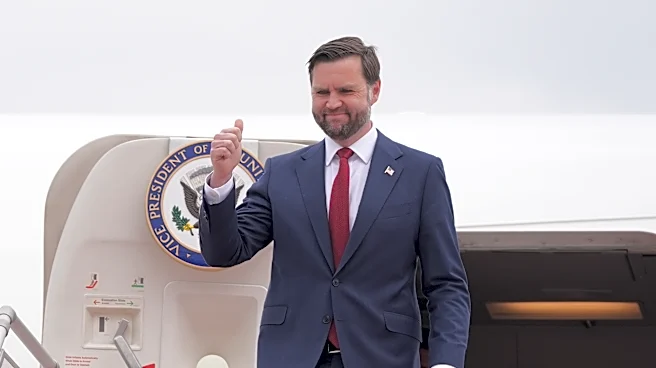
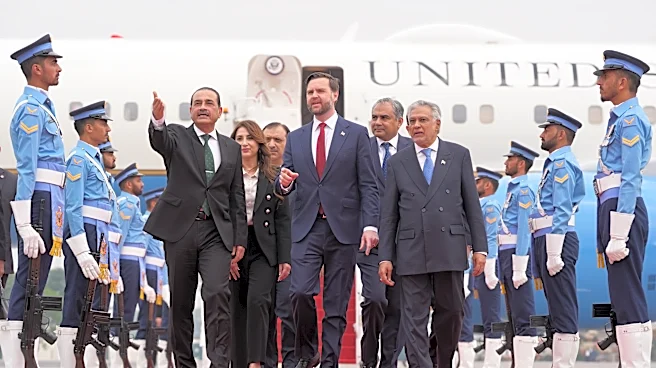
Vice President JD Vance is currently in Islamabad, Pakistan, where he is leading delicate peace talks between the United States and Iran. The discussions aim to broker a deal that would maintain a fragile
ceasefire between the two nations. This diplomatic effort is crucial as it seeks to stabilize relations and prevent further escalation of tensions. The talks are taking place amidst a complex geopolitical landscape, with both countries having a history of strained relations. The outcome of these negotiations could have significant implications for regional stability and international diplomacy.
Why It's Important?
The peace talks between the U.S. and Iran are pivotal in shaping the future of Middle Eastern geopolitics. Successful negotiations could lead to a reduction in hostilities and foster a more cooperative relationship between the two countries. This would not only benefit regional security but also have broader implications for global peace efforts. The U.S. stands to gain by potentially easing tensions and reducing the risk of conflict, which could have economic and political benefits. Conversely, failure to reach an agreement could exacerbate existing tensions, leading to increased instability and potential military confrontations.
What's Next?
The next steps in the peace talks will likely involve further negotiations and potential compromises from both sides. Key stakeholders, including political leaders and international organizations, will be closely monitoring the situation. The outcome of these talks could influence future diplomatic strategies and alliances. If successful, the agreement could pave the way for more comprehensive discussions on other contentious issues between the U.S. and Iran.