






What's Happening?
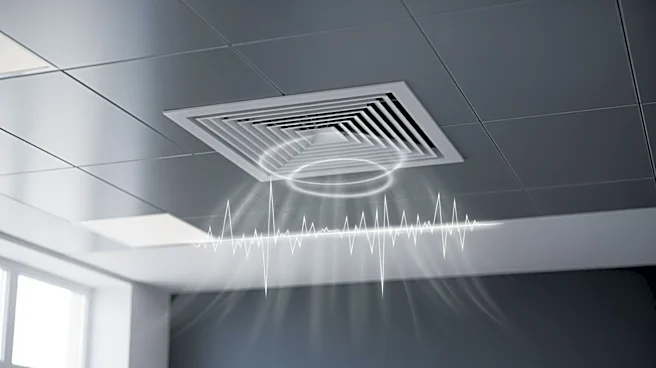
California is experiencing increasing temperatures, with Los Angeles reaching 100 degrees in March, raising concerns about the lack of HVAC systems in many schools. The California Schools Healthy Air, Plumbing, and Efficiency Program (CalSHAPE) was established
to fund HVAC repairs and replacements, particularly in underserved communities. However, nearly $200 million of CalSHAPE funds remain unspent, and there is a risk that this money could be redirected to investor-owned utilities if not used by the end of the year. These utilities argue that the funds would help defray costs for ratepayers, but critics suggest the money could instead boost utility profits. The situation has prompted calls for the state to prioritize school cooling systems to ensure safe learning environments for students.
Why It's Important?
The potential redirection of CalSHAPE funds to utilities instead of schools highlights a significant policy decision impacting public health and education. With climate change intensifying heat waves, the lack of adequate cooling systems in schools poses a direct threat to student safety and learning outcomes. The decision also reflects broader debates about resource allocation and the role of utilities in public funding. If the funds are not used for their intended purpose, it could undermine efforts to address climate-related challenges in education and exacerbate inequalities in school infrastructure. The outcome of this funding battle could set a precedent for how states balance utility interests with public welfare.
What's Next?
The California government faces pressure to act swiftly to ensure the CalSHAPE funds are used for their intended purpose. Lawmakers have already begun advocating for the extension of the program to allow schools more time to utilize the funds. If the funds are not allocated to schools, utilities may receive them, potentially leading to minimal savings for ratepayers. The decision will likely influence future policy discussions on climate adaptation and infrastructure investment in education. Stakeholders, including educators and parents, are expected to continue lobbying for the funds to remain with schools, emphasizing the moral implications of prioritizing student health and safety.