


What's Happening?
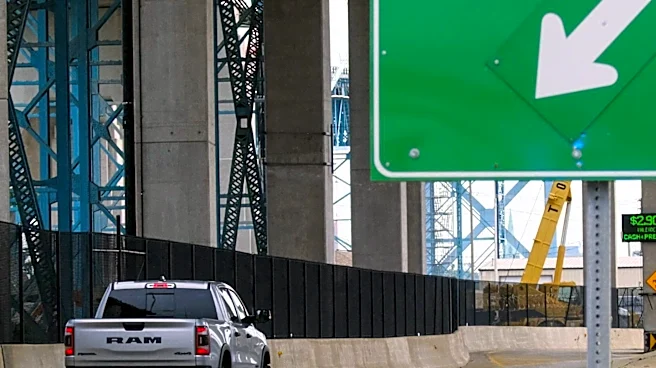
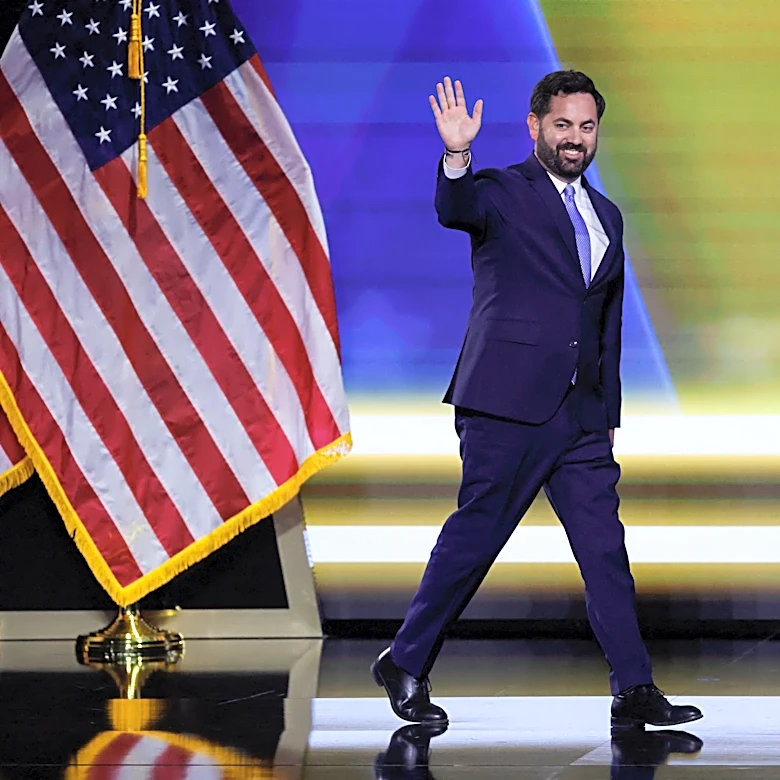
State Representative Joe Ciresi, a Democrat from Montgomery County, plans to introduce legislation mandating standardized and clearly visible toll rate signage on the Pennsylvania Turnpike. This proposal aims to ensure motorists are fully aware of the charges
for each vehicle classification before entering toll roads. Ciresi emphasized that drivers currently lack sufficient information about toll costs while driving, which can lead to unexpected fees. This is not Ciresi's first attempt at Turnpike reform; last year, he introduced legislation, House Bill 1916, to extend the appeal period for video tolls to six months, giving drivers more time to address billing issues. That bill, co-sponsored by nine lawmakers including one Republican, is currently awaiting action in the House Transportation Committee. The Pennsylvania Turnpike recently announced a 3.5% toll rate increase, effective January 3, 2027, the lowest increase since 2014, which is intended to repay debt service related to Act 44.
Why It's Important?
This proposed legislation addresses a significant transparency issue for drivers on the Pennsylvania Turnpike, potentially preventing unexpected costs and disputes over toll charges. For consumers, clearer signage means better financial planning and reduced stress, especially for those unfamiliar with the Turnpike's complex toll structure, which varies by vehicle classification, axle count, and height. For the Pennsylvania Turnpike Commission, implementing such signage could improve public trust and reduce administrative burdens associated with customer complaints and appeals. The ongoing debate over toll transparency and the annual rate increases, driven by Act 44 debt service, highlight the broader challenges of funding infrastructure projects through user fees. This initiative could set a precedent for other toll authorities to adopt more transparent pricing practices, impacting how drivers nationwide interact with toll systems and potentially influencing future legislative efforts to protect consumers from hidden fees.
What's Next?
State Representative Joe Ciresi is expected to formally introduce the legislation requiring new toll signage on the Pennsylvania Turnpike. Following its introduction, the bill will likely be referred to a legislative committee, such as the House Transportation Committee, for review and potential amendments. Stakeholders, including the Pennsylvania Turnpike Commission, motorist advocacy groups, and potentially commercial trucking associations, will likely engage in discussions and provide testimony on the proposal. The success of this legislation will depend on gaining bipartisan support, similar to Ciresi's previous bill regarding video toll appeals. If passed, the Pennsylvania Turnpike Commission would be tasked with developing and implementing the new signage, which could involve significant logistical and financial considerations. The upcoming 3.5% toll rate increase in January 2027 will likely add urgency to calls for greater transparency, as drivers face higher costs.
Beyond the Headlines
The push for clearer toll signage on the Pennsylvania Turnpike reflects a broader societal demand for transparency in consumer transactions, particularly in areas where costs can be complex and unexpected. This issue touches upon the ethical responsibility of public authorities to provide easily understandable information to citizens, especially when financial obligations are involved. The reliance on Act 44 debt service to fund state infrastructure, which necessitates annual toll increases, underscores the long-term financial challenges facing public transportation systems. This situation highlights the tension between funding critical infrastructure and ensuring affordability and fairness for users. The legislative efforts to improve toll transparency could also spark discussions about the overall fairness and efficiency of electronic tolling systems, particularly concerning how rental car companies and out-of-state drivers are billed, and the potential for administrative fees to inflate costs beyond the actual toll amount.