








What's Happening?
Melania Trump is facing a critical deadline for her 'Fostering the Future' initiative, a legislative effort aimed at expanding access to housing, education, and workforce training for foster care children. The bill, which passed the House unanimously,
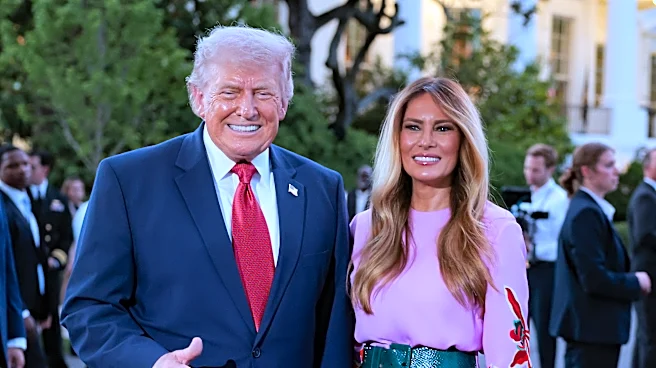
is now stalled in the Senate as Congress approaches its August recess. The first lady had set a private deadline for the bill to reach President Trump's desk by the recess, but it remains in committee. The initiative seeks to address the low college graduation rates among foster children and improve their access to essential services. Despite initial bipartisan support, the bill's progress has slowed, and the president has not publicly pushed for its advancement since a White House picnic where both he and the first lady urged swift Senate action.
Why It's Important?
The legislation is significant as it addresses critical gaps in support for foster care children, a vulnerable population often lacking access to higher education and stable housing. The bill's passage could lead to improved outcomes for over 400,000 children in the U.S. foster care system. However, the legislative delay highlights the challenges of advancing social welfare initiatives in a polarized political environment. The first lady's involvement underscores the potential influence of high-profile figures in advocating for policy changes, yet also reveals the limitations of such influence when faced with legislative gridlock. The outcome of this bill could set a precedent for future efforts to reform foster care policies and improve support systems for disadvantaged youth.
What's Next?
As the Senate approaches its recess, the bill's future remains uncertain. Lawmakers must decide whether to prioritize the legislation and move it out of committee. The first lady and her supporters may need to increase advocacy efforts to ensure the bill's passage. If the bill does not advance before the recess, it may face further delays, potentially impacting the timeline for implementing the proposed changes. The situation also raises questions about the role of the executive branch in influencing legislative priorities and the effectiveness of advocacy by public figures in driving policy change.