


What's Happening?
U.S. Rep. Dusty Johnson, speaking at Dakotafest in Mitchell, SD, on August 19, 2026, addressed the potential passage of the Farm Bill in the House of Representatives. Johnson indicated that the current Senate package for the Farm Bill could garner enough
Democratic support in the House to offset potential losses from Republican members who might find the Senate's markup insufficiently conservative. He acknowledged that if the Senate makes further concessions to secure its passage, it could complicate the voting math in the House. The Senate committee is expected to revisit the issue next month. Senator Mike Rounds expressed optimism about the bill's future, suggesting it could be attached to other legislative vehicles such as Defense Authorization or government funding bills. Johnson speculated that a vote on the Farm Bill might occur after the November elections, allowing for clarity on which party holds the majority in both the House and Senate.
Why It's Important?
The potential passage of the Farm Bill is crucial for the U.S. agricultural sector, impacting farmers, rural communities, and food security nationwide. Delays in passing this legislation, which has not been signed into law since 2018, create uncertainty for agricultural planning and investment. The bill typically includes provisions for commodity support, crop insurance, conservation programs, and nutrition assistance, all of which are vital for the stability and sustainability of American agriculture. The political maneuvering, particularly the reliance on bipartisan support in the House and the possibility of attaching the bill to other legislative vehicles, highlights the challenges of passing significant legislation in a divided Congress. The outcome will determine the level of federal support for farmers and the direction of agricultural policy for the coming years, affecting everything from food prices to environmental conservation efforts.
What's Next?
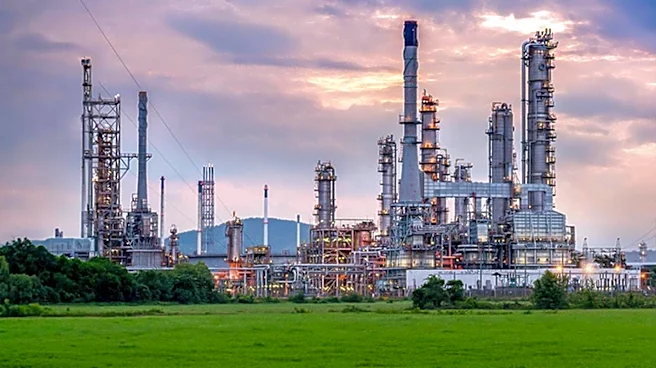
The Senate committee is scheduled to revisit the Farm Bill next month, which will be a critical step in determining its immediate future. The discussions will likely focus on reconciling differences between the House and Senate versions, particularly regarding provisions like the year-round E15 ethanol blend and exemptions for small refineries from Renewable Fuel Standard obligations. The possibility of attaching the Farm Bill to other legislative vehicles, such as Defense Authorization or government funding bills, remains an option, as suggested by Senator John Thune. However, the timing of a potential vote is heavily influenced by the upcoming November midterm elections. A shift in the majority in either the House or Senate could significantly alter the political landscape and the bill's chances of passage, potentially leading to a vote only after the election results are clear.
Beyond the Headlines
The ongoing struggle to pass the Farm Bill reflects deeper political and ideological divisions within the U.S. Congress, particularly concerning the balance between agricultural subsidies, environmental regulations, and social welfare programs like the Supplemental Nutrition Assistance Program (SNAP). The debate over the bill's provisions, such as the year-round E15 ethanol blend and small refinery exemptions, underscores the complex interplay between agricultural policy, energy policy, and economic interests. The reliance on bipartisan support and the consideration of legislative 'vehicles' illustrate the increasing difficulty of passing standalone, comprehensive legislation in a highly polarized political environment. This situation could set a precedent for how future major legislative packages are handled, potentially leading to more omnibus bills or prolonged legislative stalemates, impacting the government's ability to address critical national issues efficiently.