
What's Happening?
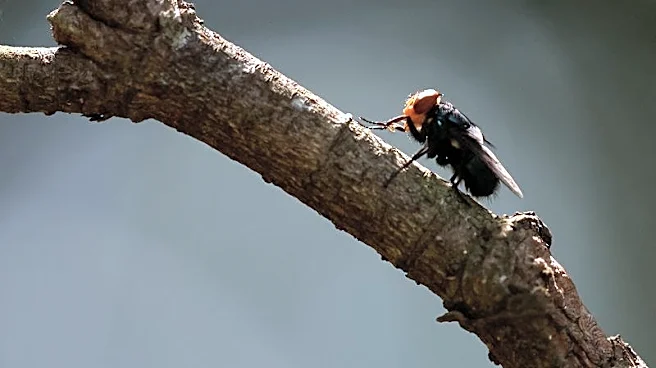
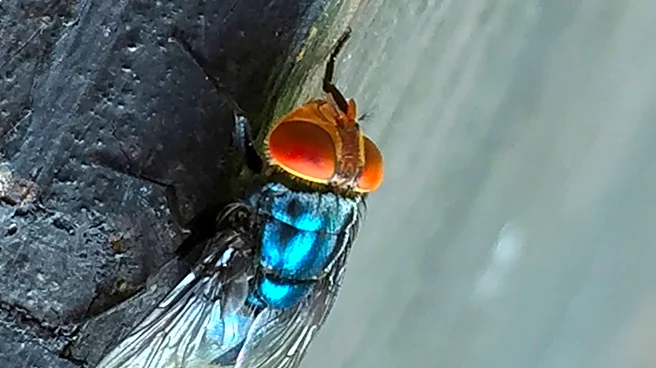
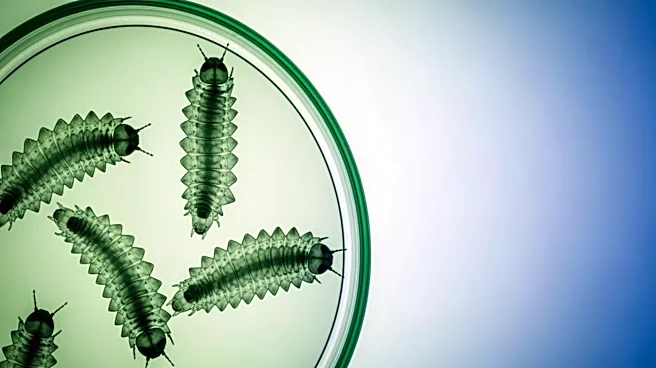
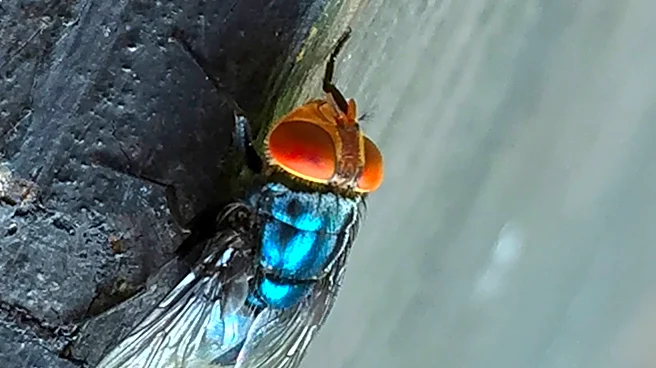
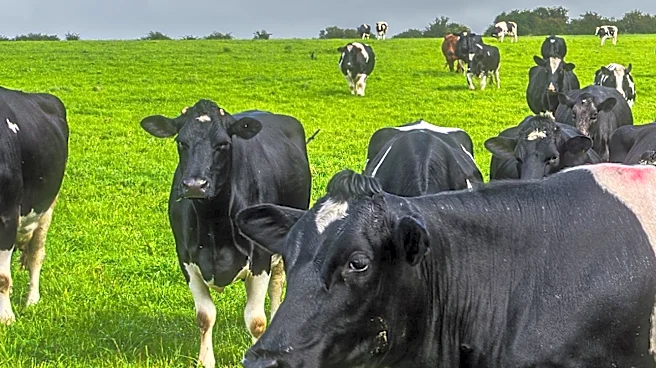
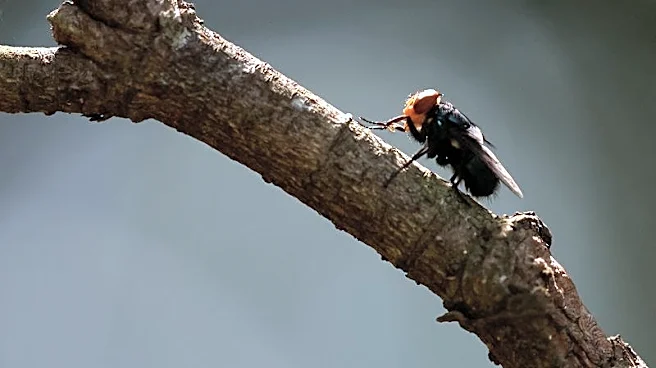
The New World screwworm, a parasite eradicated from the U.S. in the 1970s, has been detected in a Texas calf, raising alarms for the cattle industry. The parasite's larvae feed on the flesh of warm-blooded animals, posing a significant threat to livestock.
Despite efforts by the USDA to control its spread through Mexico, the parasite has reached Texas, prompting concerns about potential economic impacts. The Texas agriculture commissioner has called for increased measures to combat the parasite, including the deployment of sterile flies to reduce its population. The USDA maintains that there is no immediate threat of a widespread infestation, but the situation is being closely monitored.
Why It's Important?
The detection of the screwworm in Texas could have severe implications for the U.S. cattle industry, which is already facing high food prices. A widespread outbreak could lead to significant economic losses, affecting beef supply and prices. The parasite's ability to spread rapidly in livestock populations necessitates swift action to prevent a resurgence. The situation highlights the importance of maintaining effective biosecurity measures and the potential need for increased federal intervention to protect the industry.
What's Next?
The USDA and Texas officials are likely to intensify efforts to contain the screwworm, including expanding the use of sterile fly techniques. The agriculture sector may see increased collaboration with federal agencies to implement comprehensive control measures. Stakeholders in the cattle industry will need to remain vigilant and possibly adapt to new regulations aimed at preventing the parasite's spread. The situation may also prompt discussions on enhancing cross-border cooperation with Mexico to address the root of the problem.