








What's Happening?
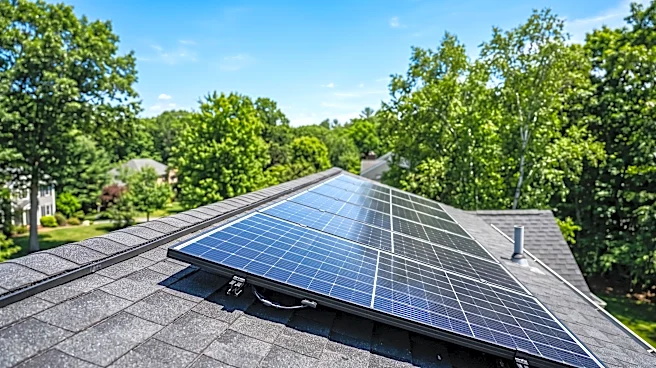
Duke Energy has introduced the PowerPair Program, a pilot incentive designed to help North Carolina homeowners reduce the upfront costs of installing solar panels paired with smart battery backup systems. This program, administered by Duke Energy Carolinas
(DEC) and Duke Energy Progress (DEP), offers rebates of up to $9,000. The rebate structure is calculated based on the capacity of both the solar panel system and the battery storage system. Specifically, Duke Energy pays $0.36 per watt-DC of installed solar capacity, capped at 10 kW (maximum solar rebate of $3,600), and $400 per kWh of usable battery capacity, capped at 13.5 kWh (maximum battery rebate of $5,400). Homeowners can choose between two cohorts: Cohort A, where they maintain full control over their battery operation, or Cohort B, where Duke Energy can remotely discharge the battery up to 30 times per year during high-demand events in exchange for additional monthly bill credits. The program aims to strengthen the local electrical grid and provide residential customers with a buffer against rising energy rates.
Why It's Important?
The Duke Energy PowerPair Program is significant for North Carolina as it incentivizes the adoption of clean energy technologies, directly impacting the state's energy landscape and residential energy independence. By offering substantial upfront rebates, the program makes solar-plus-storage systems more accessible and affordable for homeowners, potentially accelerating the transition to renewable energy sources. This initiative also addresses grid resilience by encouraging physical battery storage, which can help manage peak loads during extreme weather events and reduce strain on substations. For participating households, the program offers immediate utility savings and a faster return on investment, with payback periods for solar-plus-storage systems potentially decreasing from 13 years to 7-8 years. The ability to stack these rebates with the 30% federal solar tax credit further amplifies the financial benefits, making clean energy investments more attractive and economically viable for a broader segment of the population.
What's Next?
The PowerPair Program is a pilot initiative with strict capacity limits and structured application windows, meaning interested residents will need to act quickly to secure funding before caps are reached. The application process involves several steps, including choosing a Duke Energy-approved Trade Ally Installer, completing system design and permitting, submitting an interconnection application, and applying during designated enrollment lottery windows. If selected, homeowners have 270 days to complete the installation, followed by municipal inspections and securing Permission to Operate (PTO) from Duke Energy. After PTO, the final validation receipts are submitted for the rebate check, which is typically processed within 6 to 8 weeks. Future developments will likely involve monitoring the program's effectiveness, assessing demand, and potentially expanding or modifying the incentives based on the pilot's outcomes and the evolving energy needs of North Carolina.
Beyond the Headlines
Beyond the immediate financial incentives, the Duke Energy PowerPair Program has deeper implications for energy policy and consumer behavior in North Carolina. The program's emphasis on battery storage highlights a growing recognition of the need for localized grid resilience, particularly in a state prone to severe weather events like hurricanes and ice storms. By empowering homeowners to store and manage their own energy, the program fosters a more decentralized and robust energy infrastructure, reducing reliance on the traditional centralized grid during outages. The two cohort options also introduce an interesting dynamic regarding consumer control versus utility optimization, potentially setting a precedent for future demand response programs. This shift could lead to greater consumer engagement in energy management and a more active role for households in supporting grid stability, ultimately contributing to a more sustainable and secure energy future for the region.