




What's Happening?
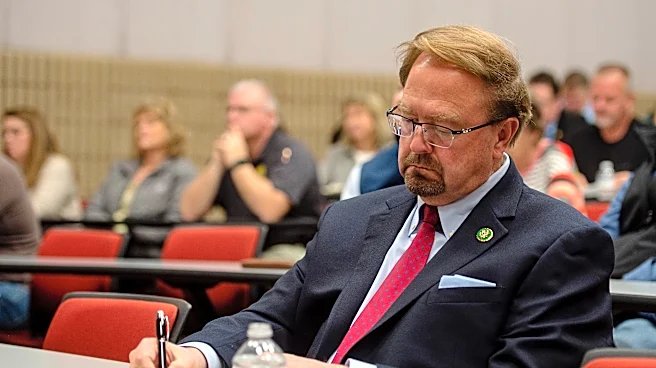
Congressman Max Miller appeared in court to testify in an ongoing legal dispute with his former girlfriend, ex-White House Press Secretary Stephanie Grisham. The conflict originates from a 2023 settlement agreement, which stipulated that both parties
would refrain from publicly disparaging each other. This agreement was established after Miller sued Grisham for defamation following her allegations of abuse during their relationship. Grisham now asserts that Miller violated this non-disparagement clause through social media posts and televised interviews where he allegedly described her abuse claims as fabricated. During the court proceedings, Miller was questioned about his understanding of the prohibition against disparaging remarks. Grisham's legal team presented transcripts from an interview Miller conducted with CNN's Jake Tapper, in which Tapper questioned Miller about denying abuse allegations made by three different women. Miller is also facing abuse accusations from his ex-wife, Emily Moreno. Miller testified that Grisham breached the agreement first, claiming her public statements reignited allegations that were subsequently used by his political opponents.
Why It's Important?
This legal battle highlights the complexities and potential pitfalls of non-disparagement agreements, particularly when public figures are involved. For Congressman Miller, the ongoing accusations and court proceedings could significantly impact his political standing and public image, especially with the involvement of his ex-wife, Emily Moreno, who is the daughter of Republican Congressman Bernie Moreno. The case also underscores the challenges public figures face in managing personal disputes that become public, often amplified by media scrutiny and political adversaries. The use of social media and televised interviews as evidence in court demonstrates the increasing legal implications of public statements made in the digital age. The outcome of this dispute could set a precedent for how such agreements are enforced and interpreted in cases involving high-profile individuals, potentially influencing future settlement negotiations and public conduct of political figures.
What's Next?
No ruling was issued during the recent court hearing, indicating that the legal proceedings are ongoing. The court will likely continue to review evidence and testimonies from both Congressman Miller and Stephanie Grisham. Further hearings or deliberations will be necessary before a decision is reached regarding whether Miller violated the non-disparagement clause of their settlement agreement. Depending on the court's ruling, there could be various consequences, including potential financial penalties for Miller if a violation is found, or a reaffirmation of the original settlement terms. The case may also lead to further public statements or legal actions from either party, particularly given the political implications for Miller and the public nature of the allegations. The resolution of this dispute could influence public perception of both individuals and potentially impact Miller's political career.
Beyond the Headlines
This case delves into the broader societal implications of public figures navigating personal allegations and legal agreements in the age of constant media exposure. The dispute raises questions about the balance between an individual's right to defend their reputation and the terms of a legal settlement designed to prevent public disparagement. The involvement of CNN's Jake Tapper in questioning Miller about the allegations underscores the media's role in scrutinizing the conduct of public officials and holding them accountable. Furthermore, the case touches upon the ethical considerations of using personal disputes for political gain, as Miller claimed Grisham's actions were intended to get her back in the media and were used by his political opponents. This situation reflects a growing trend where personal lives of public figures are increasingly intertwined with their professional and political careers, often leading to complex legal and ethical dilemmas.