
What's Happening?
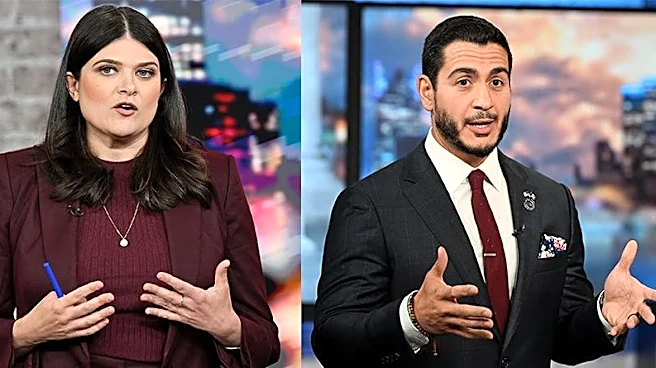
The Michigan Democratic Senate primary is set to showcase a significant transformation within the Democratic base, influenced by the political landscape under President Trump. Candidates Haley Stevens
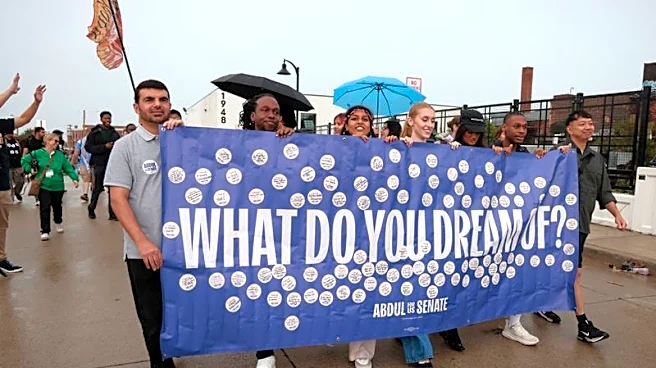
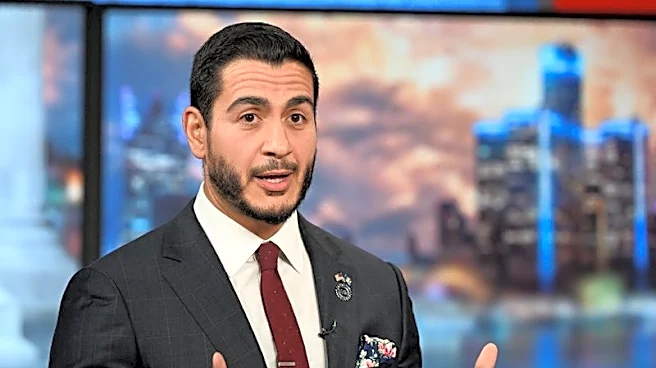
and Abdul El-Sayed, who represent differing political ideologies, are competing in a primary that could have national implications. Stevens, known for her moderate approach, faces El-Sayed, a progressive advocating for transformative change. Recent polls indicate El-Sayed leading Stevens, reflecting a shift in voter sentiment since Trump's presidency. The primary is a test of the Democratic establishment's influence, with Stevens receiving endorsements from key figures like Gov. Gretchen Whitmer and Sen. Chuck Schumer. Meanwhile, El-Sayed has garnered support from progressive leaders such as Sen. Bernie Sanders and Rep. Alexandria Ocasio-Cortez.
Why It's Important?
This primary is crucial as it may signal a broader shift in Democratic politics, moving away from centrist strategies towards more progressive approaches. The outcome could influence future elections, including the 2028 presidential race, by either validating the center-left's approach or empowering the progressive movement. The primary reflects growing dissatisfaction among Democrats with traditional leadership, fueled by economic challenges and perceived authoritarianism within the GOP. A victory for El-Sayed could embolden progressive candidates nationwide, while a win for Stevens might reinforce the establishment's strategies. The stakes are high, as the result will impact the party's direction and its ability to counter President Trump's influence.
What's Next?
Following the primary, the winner will face the challenge of securing a victory in the general election in Michigan, a battleground state. If El-Sayed wins, he will need to appeal to a broader electorate beyond his progressive base. Conversely, Stevens will have to consolidate support from moderates and independents. The primary's outcome will likely influence campaign strategies and voter mobilization efforts leading up to the general election. Additionally, the result could affect the Democratic Party's approach to future legislative agendas and its positioning against the Republican Party.
Beyond the Headlines
The primary underscores deeper ideological divides within the Democratic Party, highlighting tensions between establishment figures and progressive activists. This internal conflict reflects broader societal debates over issues like healthcare, economic inequality, and political reform. The election could catalyze discussions on the party's identity and its role in addressing systemic challenges. Moreover, the primary may influence how Democrats engage with younger voters and minority communities, who are increasingly pivotal in shaping electoral outcomes.