


What's Happening?
Santa Rosa, California, is actively promoting the development of 'third spaces'—social environments distinct from home and work—as a key component of its urban renewal and community-centric planning initiatives. Recent news from the city frequently highlights
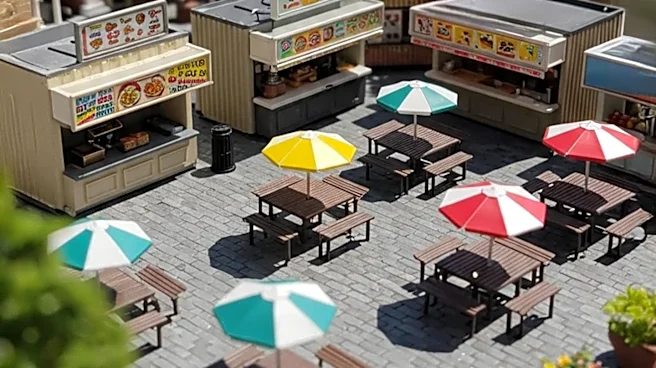
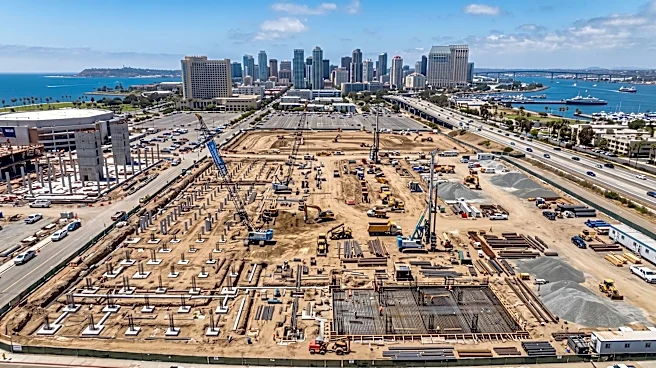
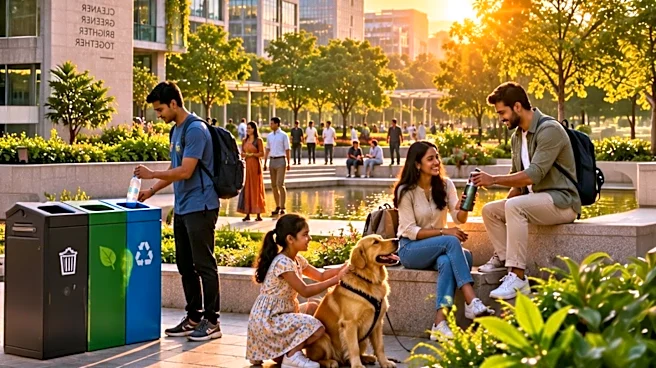
the establishment of new breweries, community gardens, and art galleries designed to foster social interaction and cohesion. This focus is part of a broader vision to create a more walkable, social, and economically vibrant city center, building on projects like the reunification of Old Courthouse Square. New development projects are integrating modern residential units with boutique retail spaces, aiming to attract a 'live-work-play' demographic. The city's commitment to these spaces reflects an understanding of their importance for social health and democratic engagement, particularly in a post-pandemic recovery context where small businesses are seeing a resurgence.
Why It's Important?
The emphasis on 'third spaces' in Santa Rosa signifies a growing recognition of their critical role in urban development and community well-being. These spaces are vital for fostering social capital, providing informal settings for interaction, and strengthening community bonds, which are essential for a healthy society. For Santa Rosa, this approach aims to enhance the quality of life for residents, attract new demographics, and stimulate local economic growth by creating vibrant, engaging environments. The integration of these spaces into urban planning can lead to more resilient communities, increased civic participation, and a stronger sense of local identity. This trend also reflects a broader shift in urban planning towards human-centered design, prioritizing social infrastructure alongside physical infrastructure to build more livable and connected cities.
What's Next?
Santa Rosa is expected to continue its trajectory of community-centric urban planning, with ongoing announcements of new development projects that incorporate 'third spaces.' Residents can anticipate more mixed-use developments blending residential and commercial elements, further enhancing the city's walkability and social fabric. The city council and local organizations will likely continue to support initiatives that create and maintain these communal areas, potentially through grants, zoning incentives, and public-private partnerships. The success of these efforts will be measured by increased community engagement, economic vitality in downtown areas, and overall resident satisfaction. Monitoring local news will be crucial for citizens to stay informed about upcoming projects and opportunities for involvement in shaping their neighborhoods.
Beyond the Headlines
The resurgence of 'third spaces' in Santa Rosa points to a deeper societal need for connection and community in an increasingly digital and often isolating world. Beyond their immediate economic and social benefits, these spaces serve as crucial antidotes to urban anonymity and social fragmentation. They offer informal platforms for diverse groups to interact, exchange ideas, and build relationships, which can strengthen social cohesion and civic trust. This trend also highlights a re-evaluation of urban design principles, moving beyond purely functional infrastructure to create environments that nurture human interaction and well-being. The long-term impact could be a more engaged citizenry, a richer local culture, and a more resilient urban environment capable of adapting to future social and economic challenges.