




What's Happening?
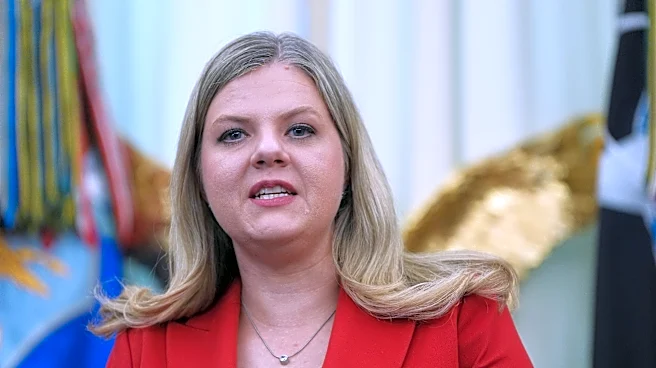
Marjorie Taylor Greene has made a significant prediction regarding the Republican Party's electoral prospects, stating that the GOP is in 'deep trouble' for both the upcoming midterms and the 2028 elections. According to Greene, President Trump's 'broken
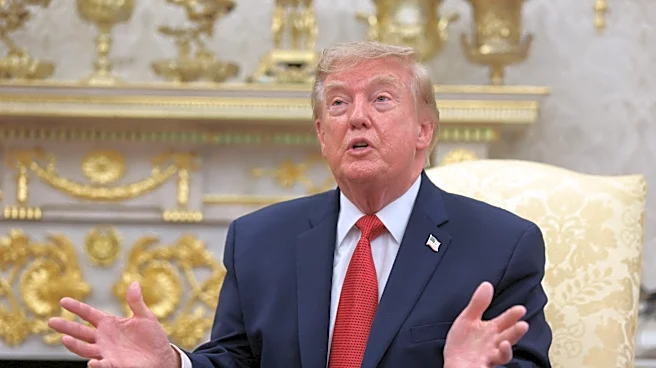
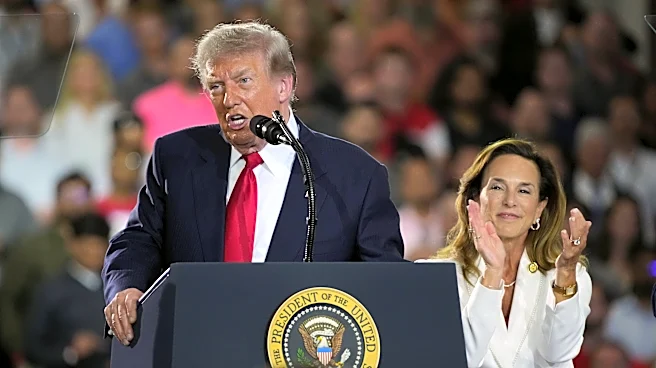
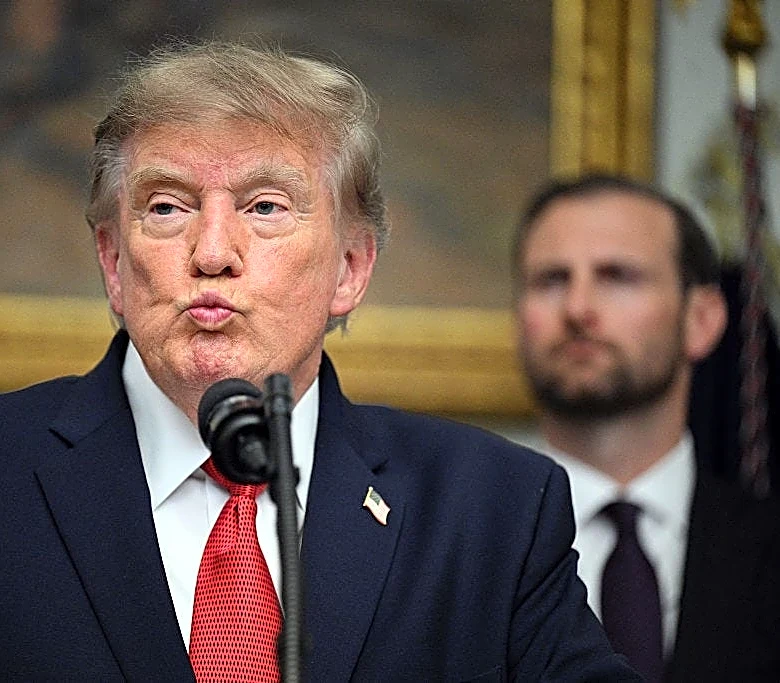
promises on Iran' have effectively fractured the MAGA coalition, leading to this dire outlook. This statement comes amidst President Trump's recent strong rhetoric against Iran, where he vowed a 'MOST CRUSHING ECONOMIC OPERATION EVER TAKEN' and threatened 'TREMENDOUS' economic consequences for any country assisting Iran. News organizations are reportedly struggling to interpret the meaning and intended outcome of President Trump's statements, which Greene suggests indicate his entanglement in a 'quagmire.'
Why It's Important?
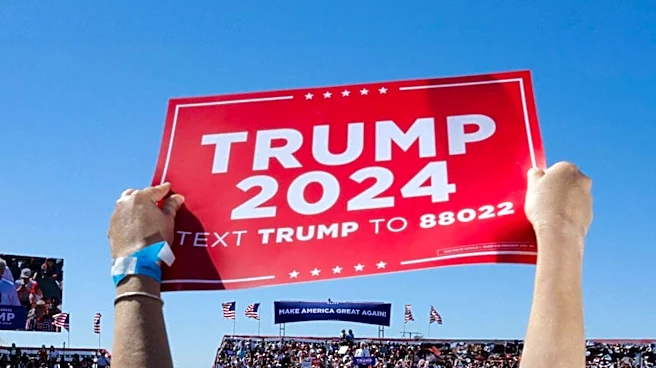
Greene's assessment carries significant weight as it comes from within a prominent conservative voice, suggesting potential internal divisions and disillusionment within the Republican base. Her claim that President Trump's actions regarding Iran have 'shattered the MAGA coalition' indicates a possible weakening of a key electoral force that has significantly influenced recent U.S. elections. If the MAGA coalition is indeed fracturing, it could lead to decreased voter turnout, internal party conflicts, and a less unified front for the GOP in future elections. This could alter the political landscape, potentially benefiting opposing parties and shifting the balance of power in Congress and the presidency. The perceived 'broken promises' could also erode trust among voters, impacting the credibility of political leaders and future campaign platforms.
What's Next?
The implications of Greene's prediction will likely unfold in the lead-up to the midterm elections and beyond. The Republican Party will need to address these internal concerns and potentially re-evaluate its strategies to unify its base and attract broader support. President Trump's administration may face increased scrutiny over its foreign policy decisions, particularly concerning Iran, and their domestic political ramifications. Political analysts will closely watch voter sentiment and turnout in upcoming elections to gauge the accuracy of Greene's forecast. The Democratic Party may seek to capitalize on any perceived divisions within the GOP, potentially adjusting their campaign messages to appeal to disaffected voters. The long-term impact on the MAGA coalition's influence and the broader conservative movement will be a key area of observation.
Beyond the Headlines
Greene's statement points to a deeper phenomenon of 'cognitive dissonance' within the MAGA movement, as described by New Republic contributing editor Virginia Heffernan. This suggests a struggle among supporters to reconcile their expectations and beliefs with the actions and outcomes of their chosen leaders. Such dissonance can lead to significant shifts in political allegiance and the redefinition of political identities. The focus on 'broken promises' highlights the importance of perceived integrity and follow-through in political leadership, and how a failure to meet these expectations can lead to disillusionment. This situation could also signal a broader trend of political fragmentation, where traditional party lines are increasingly blurred by specific policy grievances and the evolving nature of political coalitions. The long-term effect could be a more volatile and unpredictable political environment in the U.S.