



What's Happening?
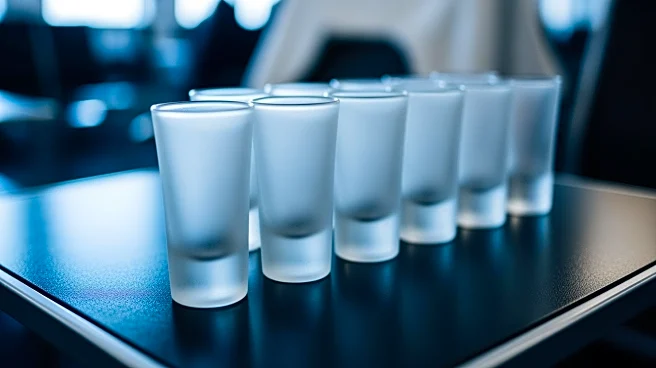
A traveler at George Bush Intercontinental Airport in Houston turned a lengthy TSA wait into an impromptu social event by distributing vodka shots to fellow passengers. The incident occurred as travelers faced a four-hour wait in a line that extended
outside the terminal. The traveler, carrying a large frosted bottle and plastic cups, offered the shots to ease the frustration of those around him. This act of sharing was well-received on social media, with many users praising the traveler for his generosity. The ongoing delays at airports have been attributed to a staffing crisis within the TSA, which has been exacerbated by a Department of Homeland Security shutdown. Although TSA employees have started receiving paychecks again, the chaos has led to varying advice on when travelers should arrive at airports.
Why It's Important?
The incident highlights the ongoing challenges faced by travelers due to TSA staffing issues, which have caused significant delays at airports across the U.S. The travel disruptions have broader implications for the airline industry, potentially affecting flight schedules and passenger satisfaction. The situation underscores the importance of resolving staffing shortages to ensure efficient airport operations. Additionally, the travel chaos has prompted airports to offer conflicting advice on arrival times, which could further complicate travel plans for passengers. The public's reaction to the vodka distribution also reflects a desire for camaraderie and relief during stressful travel experiences.
What's Next?
As TSA employees continue to receive their paychecks, it is expected that staffing levels and airport operations will gradually stabilize. However, airports may need to reassess their strategies for managing passenger flow and providing clear guidance on arrival times. The incident may also prompt discussions on how to improve the travel experience during peak times and address the root causes of such delays. Stakeholders, including airport authorities and the TSA, will likely explore measures to prevent similar disruptions in the future.