



What's Happening?
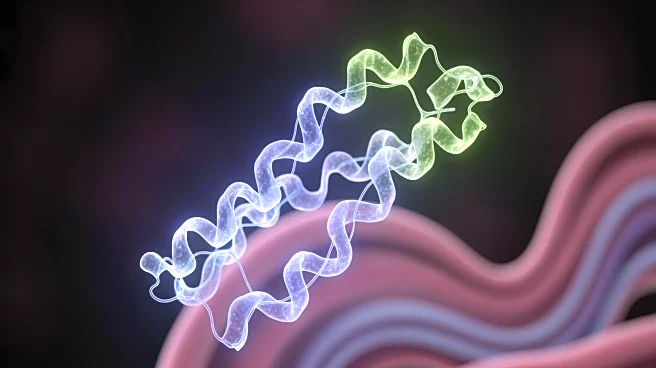
Recent research presented at the 70th Biophysical Society Annual Meeting in San Francisco has uncovered a previously unknown function of proteins essential for hearing. These proteins, known as TMC1 and TMC2, not only convert sound into electrical signals
but also act as gatekeepers that shuffle fatty molecules across cell membranes. This function, when disrupted by genetic mutations, noise-induced damage, or certain medications, can lead to the death of sensory hair cells in the ear, resulting in permanent hearing loss. The study highlights the role of these proteins in maintaining cell membrane integrity and suggests that their malfunction could be a key factor in hearing loss.
Why It's Important?
The discovery of the dual role of TMC1 and TMC2 proteins is significant as it provides a new understanding of the mechanisms behind hearing loss. This insight could lead to the development of new treatments or preventive measures for hearing loss caused by genetic factors or medication side effects. The research also sheds light on why certain antibiotics, like aminoglycosides, cause hearing loss, as they disrupt the membrane-regulating function of these proteins. Understanding these mechanisms opens the door to designing drugs that avoid such side effects, potentially preserving hearing in patients requiring these medications.
What's Next?
Future research may focus on developing therapies that target the membrane-regulating function of TMC1 and TMC2 to prevent hair cell death. Additionally, exploring the role of cholesterol in the scramblase activity of these proteins could lead to dietary or pharmacological interventions to protect against hearing loss. The findings also suggest a need for further investigation into the genetic factors that influence these proteins' functions, which could lead to personalized medicine approaches for individuals at risk of hearing loss.