
What's Happening?
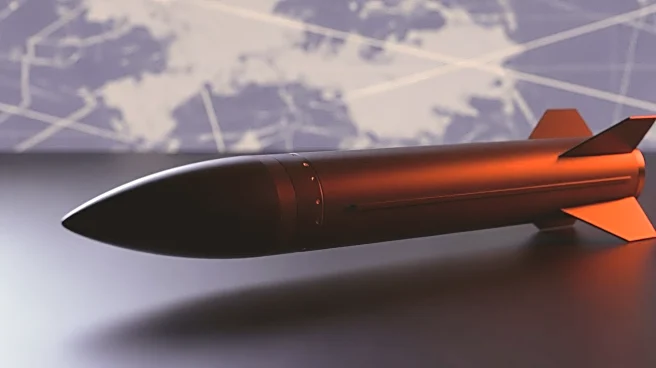
U.S. Senator Lindsey Graham has raised concerns about Iran's increasing missile production, which he claims poses a significant threat to Israel. According to Graham, both Hamas and Iran are in the process
of regenerating their military capabilities, with Hezbollah also attempting to build more weapons. Despite previous efforts to curb these developments, Graham emphasizes that the missile threat remains a serious concern for Israel. His remarks highlight the ongoing geopolitical tensions in the region, particularly the challenges posed by Iran's military advancements.
Why It's Important?
The escalation of Iran's missile production has significant implications for regional stability in the Middle East. For the United States, this development could necessitate a reassessment of its foreign policy and defense strategies in the region. Israel, a key U.S. ally, faces increased security risks, which could lead to heightened military engagements or diplomatic efforts to counteract the threat. The situation also underscores the broader challenges of nuclear proliferation and arms control, as Iran's missile capabilities are seen as a complement to its nuclear ambitions. This could potentially strain U.S.-Iran relations further and impact global diplomatic efforts aimed at curbing Iran's military expansion.
What's Next?
In response to the growing threat, the U.S. and its allies may consider increasing diplomatic pressure on Iran or enhancing military support for Israel. This could involve bolstering missile defense systems or engaging in strategic dialogues to address the security concerns. Additionally, the international community might seek to revive or renegotiate agreements aimed at limiting Iran's missile and nuclear capabilities. The situation is likely to attract attention from global powers, potentially influencing future negotiations and alliances in the region.