






What's Happening?
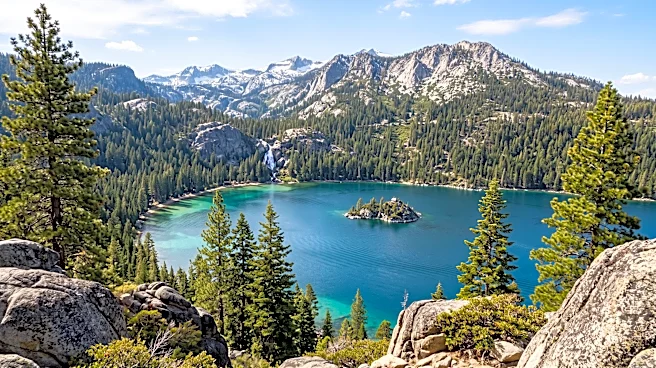
The U.S. Forest Service is considering implementing new or higher recreation fees at several popular sites within the Lake Tahoe Basin. This proposal would introduce charges at locations currently free, such as parking at Kiva Beach, Taylor Creek Visitor
Center, Big Meadow, and the Echo Trailhead, all set at $10. Additionally, the fee at Eagle Falls would increase from $5 to $10. The Forest Service attributes these potential changes to an increase in visitors and rising operating costs for the Lake Tahoe Basin Management Unit. They state that 80% of the collected funds would be reinvested into maintaining these recreation sites and improving visitor services and experiences. Public reaction to the proposal has been mixed, with some visitors expressing concern over affordability, while others support the fees if they lead to area improvements. The public comment period for these proposed changes is open until September 29.
Why It's Important?
This proposal by the U.S. Forest Service carries significant implications for public access to natural recreational areas and the funding model for their maintenance. If approved, the new and increased fees could impact the affordability of visiting popular Lake Tahoe destinations, potentially deterring some individuals and families from utilizing these public lands. This raises questions about equitable access to natural resources, especially for those with limited incomes. For the Forest Service, the fees represent a strategy to address growing operational expenses and visitor impact, aiming to ensure the long-term sustainability and quality of these sites. The outcome could set a precedent for how other heavily visited national recreation areas manage their funding and visitor access, balancing conservation needs with public enjoyment. Stakeholders like the Tahoe Rim Trail Association are reviewing the proposal, highlighting concerns about the impact on historical free access and the transparency of how new revenue will be utilized.
What's Next?
The U.S. Forest Service's proposal for new or increased fees at Lake Tahoe recreation sites is currently in a public comment period, which will conclude on September 29. During this time, the public is encouraged to provide feedback on the proposed changes, detailing their usage of the locations, the significance of these places to them, and how the changes might affect them. No fee changes have been approved yet, and the Forest Service will likely review all submitted comments before making a final decision. The Tahoe Rim Trail Association, among other groups, is actively seeking more information on the allocation of potential new revenue and the broader implications for frequent users. The decision made following this public input will determine the future cost of accessing these popular natural attractions and could influence similar fee structures in other national recreation areas.
Beyond the Headlines
The debate over recreation fees at Lake Tahoe delves into broader philosophical questions about the value and accessibility of public lands. On one hand, the need for sustainable funding to maintain and improve heavily used natural sites is undeniable, especially with increasing visitor numbers and operational costs. On the other hand, introducing or raising fees can transform public spaces into commodities, potentially creating barriers for segments of the population who cannot afford the additional expense. This tension highlights a fundamental challenge in managing national resources: how to balance conservation and quality of experience with the principle of universal access. The discussion also touches upon the role of government agencies in providing public goods and whether user fees should be the primary mechanism for funding. The outcome at Lake Tahoe could influence national policy discussions regarding the funding and management of public lands, potentially shifting the paradigm of how Americans interact with their natural heritage.