




What's Happening?
Sudan is facing a deepening humanitarian crisis due to significant cuts in international aid, according to warnings from the International Organization for Migration (IOM) and the United Nations High Commissioner for Refugees (UNHCR). These funding shortfalls
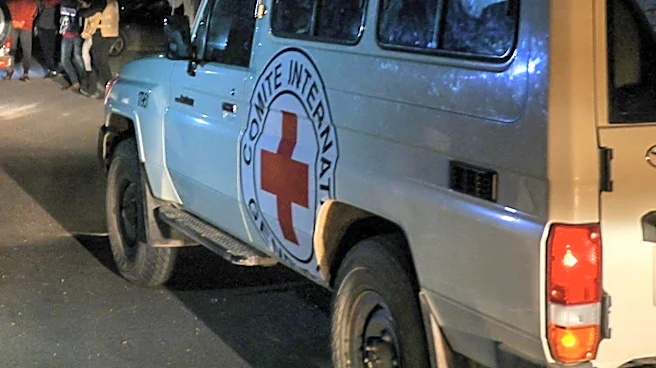
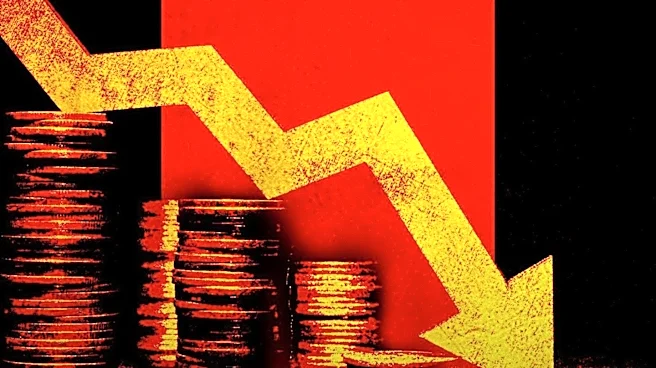
have severely depleted supplies of emergency shelter and basic household goods, leaving millions vulnerable to extreme weather, insecurity, violence, and exploitation. The United Nation's Humanitarian Needs and Response Plan requires $2.9 billion to provide life-saving aid to 20.4 million people in Sudan, but only 47% of these funds have been raised so far. A total of 33.7 million people in the war- and famine-stricken country depend on humanitarian aid, with 15.4 million needing emergency shelter and basic household items. However, aid organizations have only been able to assist 10% of this group due to insufficient funding. Ivo Körner, a Sudan specialist at Caritas International, noted a dramatic global drop in humanitarian aid funding, with contributions from the United States, Germany, and the European Union significantly reduced compared to previous years.
Why It's Important?
The drastic reduction in humanitarian aid to Sudan has severe implications for millions of people already suffering from a protracted conflict and displacement crisis. The inability to provide basic necessities like shelter and household goods exacerbates the vulnerability of displaced populations, increasing their exposure to harsh conditions and further instability. This situation highlights a broader trend of declining global humanitarian funding, which could set a dangerous precedent for other crisis-affected regions. For the U.S. and other donor nations, reduced contributions reflect a shift in foreign aid priorities or fiscal constraints, potentially undermining international efforts to stabilize conflict zones and prevent wider regional crises. The failure to adequately fund humanitarian responses can lead to increased migration flows, regional instability, and long-term humanitarian dependency, ultimately costing more in future interventions.
What's Next?
Without an urgent provision of flexible funding, aid organizations anticipate that more families in Sudan will be left without adequate protection in the coming months. The international community, including the United States, Germany, and the European Union, faces pressure to re-evaluate their funding commitments to address the critical shortfall. Organizations like Caritas International are relying on private donations and hoping for additional government funding, though prospects appear limited. The ongoing conflict between the Sudanese Armed Forces (SAF) and paramilitary Rapid Support Forces (RSF) continues to complicate aid delivery, with fighting, drone strikes, and logistical problems hindering access. Calls from international partners for warring parties to allow unimpeded humanitarian access and for an increase in international aid funding are likely to continue, but their effectiveness depends on concrete actions from both donors and conflict actors.
Beyond the Headlines
The situation in Sudan underscores a critical ethical dilemma for the international community: the balance between domestic priorities and global humanitarian responsibilities. The sharp decline in aid funding, even as the crisis deepens, suggests a potential fatigue among donor nations or a re-prioritization of geopolitical interests over humanitarian imperatives. This trend could lead to a re-evaluation of international aid mechanisms and the role of multilateral organizations in crisis response. Furthermore, the obstruction of aid by warring parties raises questions about accountability and the enforcement of international humanitarian law. The long-term implications include a generation of Sudanese children growing up without basic necessities, potentially fueling future instability and radicalization. The crisis also highlights the need for more sustainable and resilient humanitarian funding models that are less susceptible to political shifts and donor fatigue.