



What's Happening?
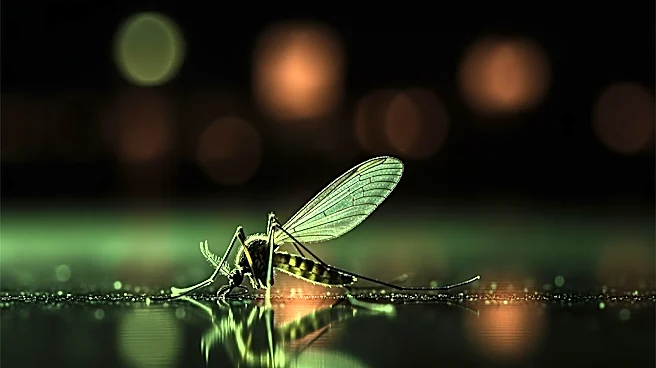
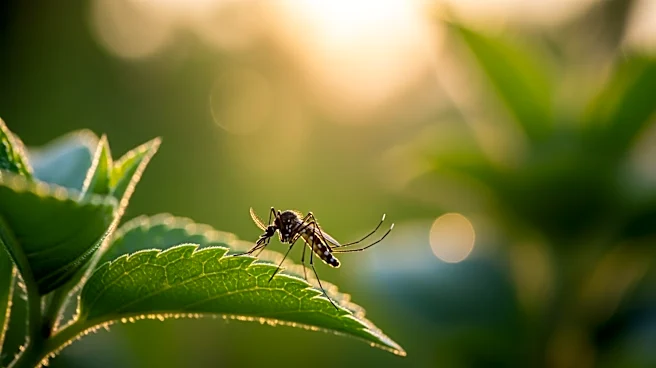
Chicago has been ranked as the second worst city in the United States for mosquito activity over the past year, according to Orkin Pest Control Service. This ranking is based on the number of new residential mosquito treatments performed by the company
from March 18, 2025, to March 18, 2026. While the data suggests a high level of mosquito activity, experts like Justin Harbison from Loyola University caution that the ranking may not directly reflect mosquito populations, as it is based on treatment requests rather than actual mosquito counts. The city’s climate and geography, including its storm drains, provide ideal breeding grounds for mosquitoes, which could lead to increased mosquito activity during the summer months.
Why It's Important?
The high ranking for mosquito activity in Chicago is significant due to the potential public health implications. Mosquitoes are known carriers of diseases such as West Nile Virus, dengue, and yellow fever. The presence of these diseases can pose a health risk to residents, especially as climate change extends the mosquito season and allows for the spread of invasive species. The city’s efforts in mosquito control, including larvicide treatments and public health campaigns, are crucial in mitigating these risks. The situation underscores the importance of continued investment in mosquito abatement programs to protect public health.
What's Next?
As the summer progresses, the Chicago Department of Public Health will continue its mosquito surveillance and control efforts, including treating storm drains and monitoring mosquito populations. Residents are encouraged to take preventive measures, such as eliminating standing water and using repellents, to reduce mosquito breeding and bites. The effectiveness of these efforts will be closely watched, especially if the mosquito season extends due to climate change. Public health officials will need to remain vigilant and adapt strategies as necessary to address any emerging threats.
Beyond the Headlines
The issue of mosquito activity in Chicago highlights broader environmental and public health challenges. Climate change is altering ecosystems and extending the range of disease-carrying species, which could have long-term implications for urban areas. The situation also raises questions about urban planning and infrastructure, as cities must adapt to changing environmental conditions. The effectiveness of public health interventions in controlling mosquito populations will be a key factor in managing these challenges.