




What's Happening?
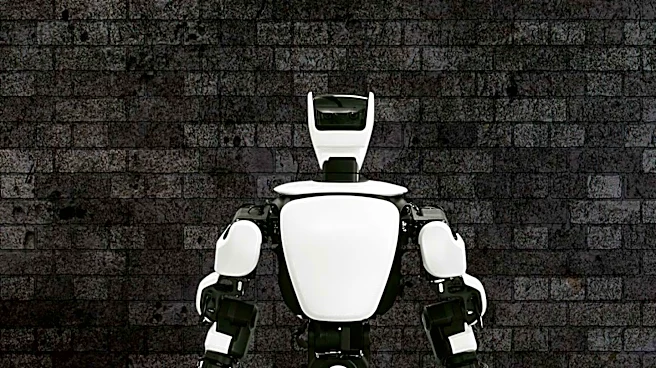
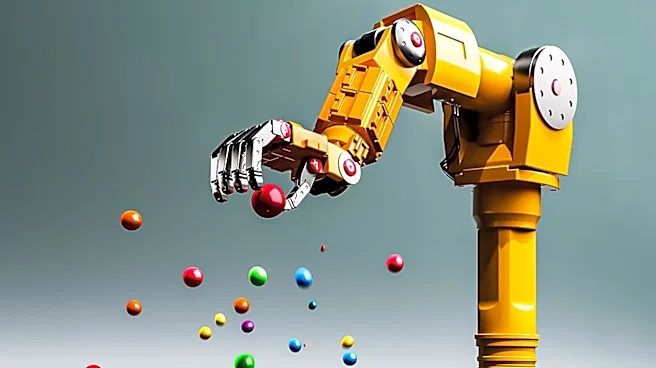
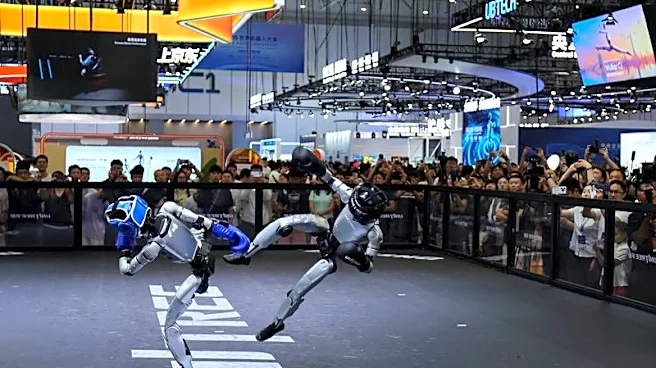
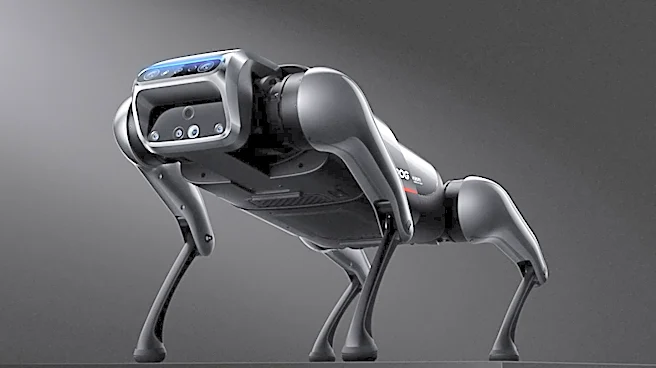
David Reger, CEO of German robotics company Neura Robotics, has stated that physical artificial intelligence (AI) and robotics are poised to take over every physical task currently performed by humans within the next two to five years. Reger emphasized
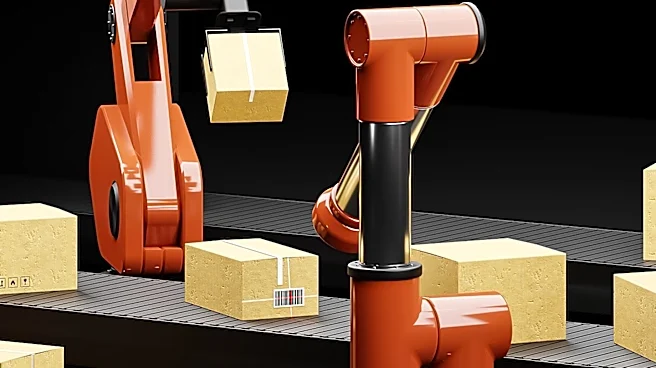
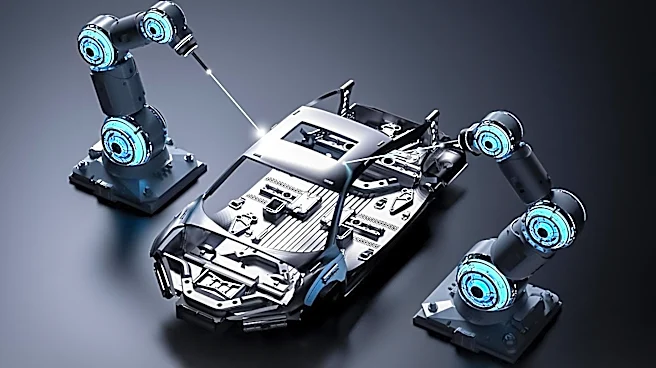
the "tremendous" pace of physical AI development, asserting that there will be no exceptions to this shift. He highlighted that robots can be trained for tasks more quickly than humans. While consumer-level robots are currently limited to devices like lawnmowers and vacuum cleaners, industrial robotics is already advanced, particularly in assembly lines for manufacturing. This prediction suggests a rapid and comprehensive transformation of the labor market, moving beyond current industrial applications to encompass all forms of physical work.
Why It's Important?
This bold prediction from a leading robotics CEO carries significant implications for the U.S. labor market and economy. If realized, it would lead to unprecedented levels of automation, potentially displacing millions of workers across various sectors, from manufacturing and logistics to service industries. The U.S. would face immense challenges in retraining its workforce and adapting its economic structure to a future with minimal human physical labor. While increased productivity and efficiency could be benefits, the societal costs of widespread unemployment and the need for new social safety nets would be substantial. Industries would need to rapidly re-evaluate their operational models, and policymakers would be pressed to address the profound economic and social changes this shift would entail. The impact on wages, job security, and the overall distribution of wealth could be transformative.
What's Next?
The coming years will likely see accelerated investment and development in physical AI and robotics, driven by companies like Neura Robotics and others. We can anticipate a continued expansion of robotics beyond industrial settings into more diverse applications, including consumer-facing roles and specialized tasks. Governments and educational institutions in the U.S. may need to proactively develop strategies for workforce retraining and education to prepare for a future where physical labor is largely automated. Discussions around universal basic income or other forms of social support could gain urgency. Businesses will increasingly explore how to integrate advanced robotics into their operations to gain competitive advantages, potentially leading to a race for automation across various sectors. The ethical and regulatory frameworks surrounding the deployment of autonomous robots will also need to evolve rapidly.
Beyond the Headlines
The prospect of all physical tasks being performed by AI and robots raises profound ethical, philosophical, and societal questions. Beyond economic displacement, it challenges the very nature of human work and purpose. What will be the role of humans in a society where physical labor is obsolete? This shift could lead to a redefinition of value, creativity, and human contribution. There are also concerns about the control and safety of highly autonomous robotic systems, as well as the potential for increased inequality if the benefits of automation are not broadly distributed. The psychological impact of such a transformation on individuals and communities, including issues of identity and mental well-being, would be significant. This future necessitates a deep societal conversation about how to harness the benefits of advanced AI and robotics while mitigating its potential downsides for humanity.