





What's Happening?
The University of Rhode Island (URI) recently hosted the second annual 'Rhode to Regenerative: From Forest to Sea' conference, focusing on regenerative agriculture. This event, held from May 27-28, brought together farmers, researchers, practitioners,
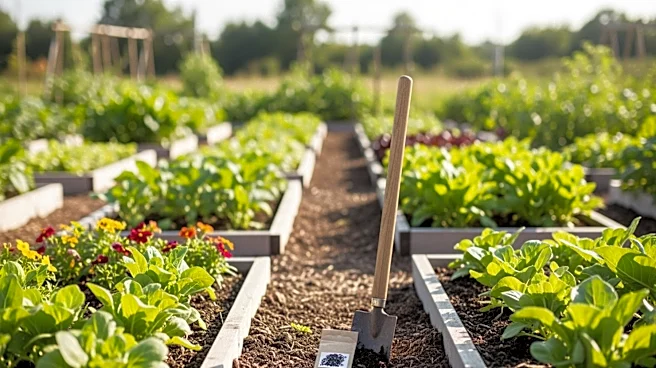
policymakers, and community leaders to discuss the integration of ocean farming with terrestrial agriculture. The conference highlighted the unique farm-to-table journey in Rhode Island, which often begins in seabeds as well as garden beds. Attendees participated in tours of local farms, including Blue Acres Aquaculture's kelp and oyster farms, and Peckham Farm, which is part of URI's campus. Peckham Farm is notable for its silvopasture, an agroforestry practice that combines trees, forage, and livestock, promoting sustainable food production and ecosystem restoration. The conference also introduced an online extension course, 'Food Recovery for Rhode Island,' aimed at addressing food waste and insecurity.
Why It's Important?
The conference underscores the growing importance of regenerative agriculture in addressing environmental and food security challenges. By integrating ocean and land-based farming practices, Rhode Island is pioneering a holistic approach to agriculture that could serve as a model for other regions. The focus on silvopasture and food recovery initiatives highlights the potential for sustainable practices to restore ecosystems, improve soil health, and reduce food waste. These efforts are crucial as they align with broader environmental goals and offer practical solutions to pressing issues like climate change and resource scarcity. The involvement of diverse stakeholders, from academia to local communities, suggests a collaborative approach that could enhance the resilience of food systems.
What's Next?
Following the conference, URI plans to continue its educational efforts through the 'Food Recovery for Rhode Island' course, which will educate participants on food waste and recovery strategies. This initiative aims to foster community engagement and volunteerism in food recovery projects. Additionally, the ongoing development of URI's silvopasture and other regenerative practices will likely continue to evolve, potentially influencing policy and agricultural practices beyond Rhode Island. Stakeholders may look to expand these models to other regions, promoting a shift towards more sustainable and integrated agricultural systems.