





What's Happening?
Cold therapy is a common and effective method for managing pain, heat, and swelling associated with recent sprains, strains, impact injuries, demanding workouts, or orthopedic procedures. It can also alleviate symptoms during arthritis or tendinitis flare-ups.
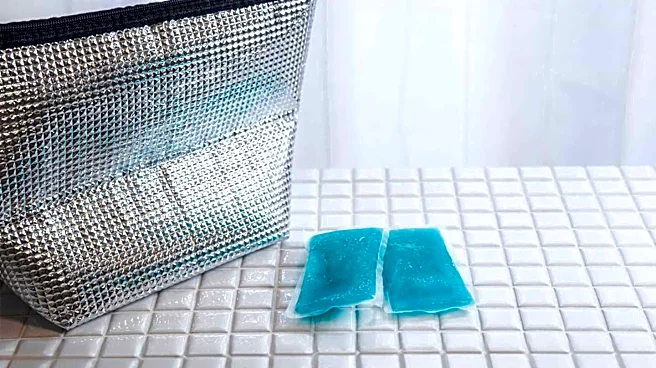
However, proper application is crucial to prevent skin irritation, circulation issues, or nerve damage. According to the Orthopedic Cold Therapy Safety Guide, cold application should typically last 15 to 20 minutes per session, a duration sufficient for pain relief without excessive cold exposure. Longer durations or falling asleep with cold therapy can lead to cryoburn or cold injury. It is essential to use a protective barrier between the cold source and the skin, as direct contact with ice or frozen packs can cause uneven pressure and extreme cold. The guide emphasizes that controlled cold, not the harshest temperature, is the goal. Regular inspection of the treated skin before and after each session is recommended to monitor for adverse reactions such as persistent redness, blistering, or unusual skin discoloration.
Why It's Important?
The safe and effective use of cold therapy has significant implications for individuals recovering from injuries or orthopedic procedures, as well as for the broader healthcare system. Improper use can lead to complications, prolonging recovery times and potentially requiring additional medical intervention. By adhering to safety guidelines, patients can reduce pain and swelling without relying solely on medication, which can be beneficial for those seeking non-pharmacological pain management options. This approach also empowers individuals to take an active role in their recovery process at home, potentially reducing the burden on healthcare facilities for minor issues. Understanding when cold therapy is appropriate and when medical consultation is necessary is vital for preventing serious injuries from being overlooked or exacerbated. For instance, delaying care for a serious injury by solely relying on cold therapy can lead to worse outcomes, highlighting the importance of recognizing warning signs that necessitate professional medical evaluation.
What's Next?
Individuals utilizing cold therapy at home are advised to continue following their orthopedic provider's specific instructions, especially after surgery. The guide stresses that a physician should be consulted before using cold therapy if one has reduced sensation, impaired circulation, or conditions like peripheral neuropathy, diabetes with sensation changes, peripheral artery disease, or Raynaud's phenomenon. These conditions can make it difficult to detect excessive cold or compression, increasing the risk of complications. Furthermore, any worsening pain or swelling, inability to bear weight after an injury, or a deformed or unstable joint warrants prompt evaluation by an orthopedic provider. After surgery, increasing redness, warmth, or drainage around an incision should be addressed by the surgical team rather than managed with more icing. The emphasis remains on controlled, measured application and vigilance for any signs of adverse reactions or worsening conditions.
Beyond the Headlines
The widespread availability and common use of cold therapy underscore a broader trend in healthcare towards patient self-management and preventative care. While seemingly simple, the nuances of cold therapy highlight the importance of patient education and adherence to medical advice. The ethical implication lies in ensuring that readily available home remedies do not inadvertently delay professional medical attention for more serious underlying conditions. Culturally, there's a strong inclination to 'tough it out' or self-treat, which, while sometimes effective, can be detrimental without proper knowledge. This guide serves as a critical tool in balancing accessibility with safety, promoting informed decision-making, and fostering a more proactive approach to personal health management. It also subtly advocates for the continuous dialogue between patients and healthcare providers, ensuring that home treatments complement, rather than replace, professional medical guidance.