




What's Happening?
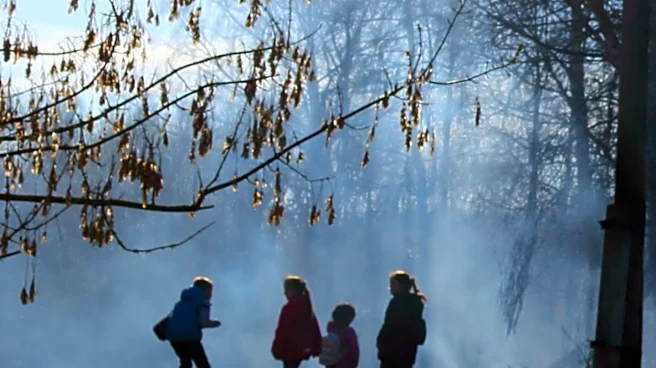
A new study published in the journal Environmental Research Letters indicates that children born in Europe today will experience nearly double the number of extreme fire weather days compared to their grandparents, an 84% increase. Specifically, a child born in Europe in 2025
is projected to live through more than three additional years of extreme fire weather. The Mediterranean region is expected to see the largest increases, with individuals born in 2025 potentially facing up to 2.5 times the exposure to extreme fire weather than those born in 1950, equating to over five additional years. This projection is based on a scenario where global warming increases by 2.6°C above pre-industrial temperatures by 2100, aligning with current global climate and energy policies. Europe is currently the fastest-warming continent, with temperatures rising by approximately 0.56°C per decade since the mid-1990s, more than double the global average. This summer alone, wildfires burned over 668,000 hectares across the E.U., including record-breaking fires in France and Spain.
Why It's Important?
This research highlights the long-term and intergenerational impacts of climate change, particularly concerning public health and environmental stability. The increased frequency of extreme fire weather days poses significant health risks, including respiratory issues from smoke exposure, and potential long-term effects such as cognitive impairment and increased mortality. Economically, the escalating incidence of wildfires can lead to substantial costs associated with property damage, firefighting efforts, and ecosystem restoration. The European Commission's proposal for a new European Heatwave Plan and a future European firefighting fleet underscores the recognition of these growing threats and the need for proactive measures. The study also emphasizes that while younger generations contribute the least to climate change, they will bear the brunt of its consequences, potentially fueling youth-led climate justice movements demanding more ambitious climate action from governments and corporations.
What's Next?
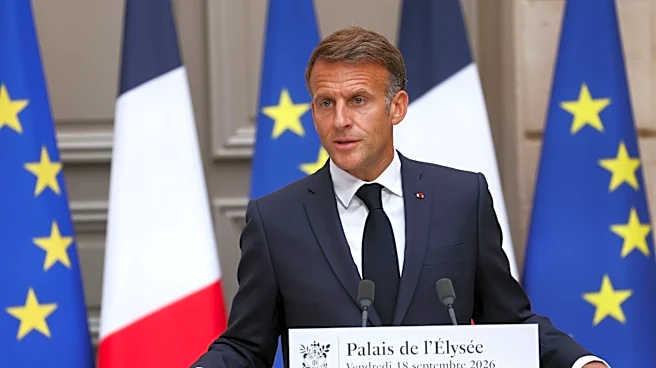
The European Commission has proposed a new European Heatwave Plan and a future European firefighting fleet, indicating a move towards more robust climate adaptation and mitigation strategies. The study suggests that rapid measures to reduce emissions, particularly by limiting global warming to 1.5°C by the end of the century as outlined in the Paris Agreement, could significantly reduce exposure to dangerous fire weather. Such actions could decrease lifetime exposure for those born in 2025 by an average of 1.3 years across Europe, and over two years in the most affected Southern European regions. However, a recent U.N. report indicates that the planet is likely to surpass the 1.5°C threshold within the next few years, with optimistic scenarios predicting a peak at 1.8°C. This suggests that while efforts to cut emissions are crucial, Europe may also need to prepare for continued and intensified extreme fire weather conditions.
Beyond the Headlines
The findings underscore a profound ethical dimension: the disproportionate burden of climate change on future generations. Children born today, who have contributed minimally to historical emissions, will face significantly harsher environmental realities. This disparity could exacerbate intergenerational tensions and drive calls for greater accountability from current policymakers and industries. The health implications extend beyond immediate respiratory problems, with long-term exposure to wildfire smoke linked to chronic diseases and cognitive decline, suggesting a future public health crisis. Furthermore, the study's focus on the Fire Weather Index as a predictor highlights the evolving scientific understanding of climate change impacts, moving beyond general temperature increases to specific, actionable metrics that can inform policy and preparedness. The potential for increased migration due to uninhabitable regions and resource scarcity also looms as a long-term societal consequence.