




What's Happening?
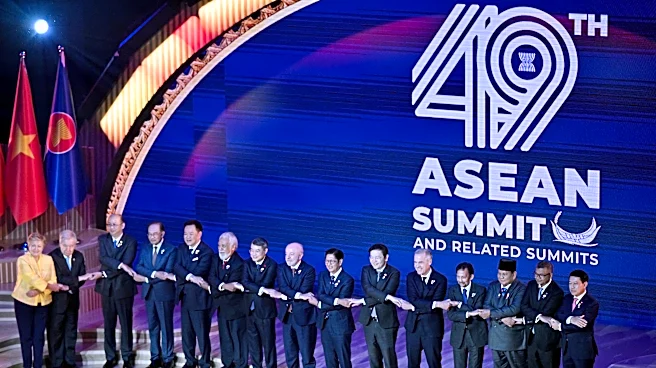
The Pacific Forum gathered a diverse group of Young Leaders from across the Indo-Pacific, including participants from the United States, to attend the 39th Asia Pacific Roundtable (APR). The APR, convened by the Malaysian Institute of Strategic and International
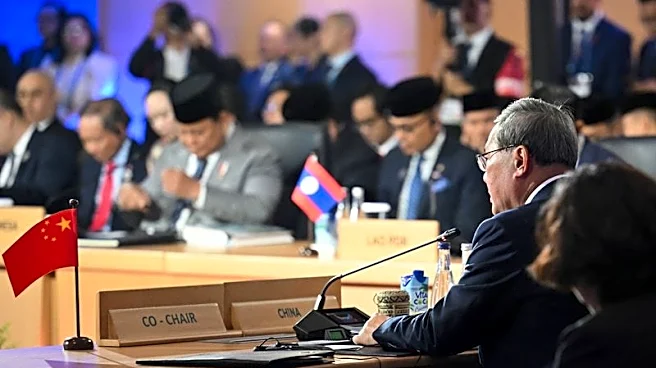
Studies (ISIS), focuses on Southeast Asia's perspective on regional security concerns. This year's theme, 'Accelerating Agency and Action,' aimed to identify regional catalysts and leadership amidst complex geopolitical fluctuations. The Young Leaders participated in a day of programming by the Asia New Zealand Foundation, exploring track 1.5 and track 2 engagement, followed by two and a half days of APR discussions. These discussions covered topics ranging from the evolving world order to critical minerals supply chains, with keynote speakers including Malaysian Prime Minister Anwar Ibrahim and ASEAN Secretary General Kao Kim Hourn. The program's goal is to expose the next generation of policy specialists to immediate concerns and facilitate community building among peers.
Why It's Important?
This initiative is crucial for shaping future U.S. foreign policy and strategic engagement in the Indo-Pacific. By including U.S. participants, the Pacific Forum's Young Leaders program ensures that emerging American policy specialists gain firsthand exposure to Southeast Asian perspectives on regional security and economic issues. This understanding is vital for the U.S. to effectively navigate complex geopolitical dynamics, strengthen alliances, and promote its interests in a region critical for global trade and security. The program fosters networking among future leaders, which can lead to more informed and collaborative policy-making in the long term. Understanding ASEAN's agency and the perspectives of middle powers is essential for the U.S. to develop nuanced strategies that support regional stability and counter potential challenges from rival powers.
What's Next?
Following their participation in the APR, each Young Leader expanded on their insights in an essay, covering themes from the meetings such as the agency of small states, maritime domain awareness, regional digital economy agreements, and India's role in the global South. These writings validate the program's premise that the next generation of policy specialists needs exposure to current concerns and opportunities for community building. The Pacific Forum will likely continue to integrate its Young Leaders into significant regional dialogues like the APR, ensuring ongoing development of future policy experts who are well-versed in Indo-Pacific affairs and connected with their international counterparts. This continuous engagement aims to foster a cohort of leaders capable of fashioning solutions to future regional challenges.
Beyond the Headlines
The Pacific Forum's Young Leaders program underscores a strategic investment in future diplomatic and policy leadership. In an era of rapid geopolitical change, cultivating a network of informed and connected young professionals is paramount for maintaining influence and stability. The program's emphasis on 'community building' among peers highlights a shift from traditional hierarchical diplomacy to a more collaborative, network-based approach. This bottom-up strategy aims to create lasting relationships and shared understandings that can endure political shifts and foster more effective multilateral cooperation. Furthermore, by focusing on ASEAN's agency, the program acknowledges the growing importance of regional blocs and middle powers in shaping the global order, moving beyond a purely superpower-centric view of international relations.