







What's Happening?
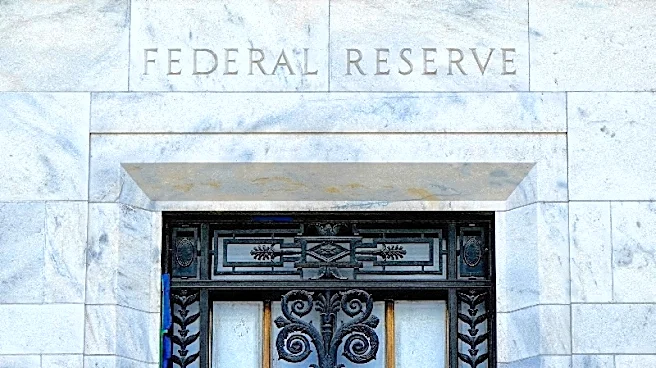
Kevin Warsh, recently appointed as the leader of the Federal Reserve, is set to implement a series of reforms aimed at reshaping the central bank's approach to economic policy. Warsh, who previously left the Fed over disagreements with its bond-buying
program, plans to address issues such as inflation monitoring, market bailouts, and communication strategies. His agenda includes potential changes to the Fed's economic analyses and public communication methods, which have traditionally been resistant to rapid alteration. Warsh's appointment follows President Trump's nomination, succeeding Jerome Powell, who faced conflicts with the administration over interest rate policies.
Why It's Important?
Warsh's leadership marks a significant shift in the Federal Reserve's direction, with potential implications for U.S. monetary policy and financial markets. His proposed reforms could alter how the Fed interacts with markets and the public, potentially impacting investor confidence and economic stability. The changes may also influence the Fed's ability to respond to economic challenges, such as inflation and unemployment. Warsh's approach reflects broader debates about the role of central banks in managing economic policy and the balance between transparency and market stability.
What's Next?
As Warsh begins his tenure, he will need to navigate existing tensions between the Fed and the Trump administration, particularly regarding interest rate policies. His ability to implement reforms will depend on building consensus within the Fed and addressing legal and institutional constraints. The upcoming policy meetings will be critical in determining the direction of U.S. monetary policy under Warsh's leadership. Stakeholders, including financial markets and policymakers, will closely monitor these developments for indications of potential shifts in economic strategy.